Understanding Juneteenth: A Celebration of Freedom and Reflection
Juneteenth, also known as Juneteenth Independence Day or Emancipation Day, is a federal holiday in the United States commemorating the emancipation of enslaved African Americans. Celebrated on June 19th, it marks the day in 1865 when Union General Gordon Granger arrived in Galveston, Texas, to announce that the Civil War had ended and that all enslaved people were free. This announcement came more than two years after President Abraham Lincoln's Emancipation Proclamation, which had become official on January 1, 1863.
What Happened on Juneteenth?
The events leading up to and on June 19, 1865, are foundational to the Juneteenth holiday. While the Emancipation Proclamation was issued in 1863, its enforcement was slow and uneven, especially in Confederate states that were still under Confederate control. Texas, being the most remote of the Confederate states, had a low presence of Union troops and thus a delayed implementation of the proclamation. On June 19, 1865, Union General Gordon Granger read General Order No. 3 in Galveston, Texas, which stated:
"The people of Texas are informed that, in accordance with a proclamation from the Executive of the United States, all slaves are free. This involves an absolute equality of personal rights and rights of property between former masters and slaves, and the connection heretofore existing between them becomes that between employer and employee."
This day is significant because it represents the effective end of slavery in the United States, even though the Thirteenth Amendment, abolishing slavery nationwide, was ratified later that year.
Why Juneteenth Matters Today
Juneteenth is more than just a historical marker; it is a vital moment for reflection on the legacy of slavery and the ongoing struggle for racial justice and equality in America. The holiday serves as a powerful reminder of the resilience and contributions of Black Americans. Recent discussions and movements advocating for racial equity have brought renewed attention to the historical context of Juneteenth, emphasizing that freedom was not immediately followed by equality or opportunity.
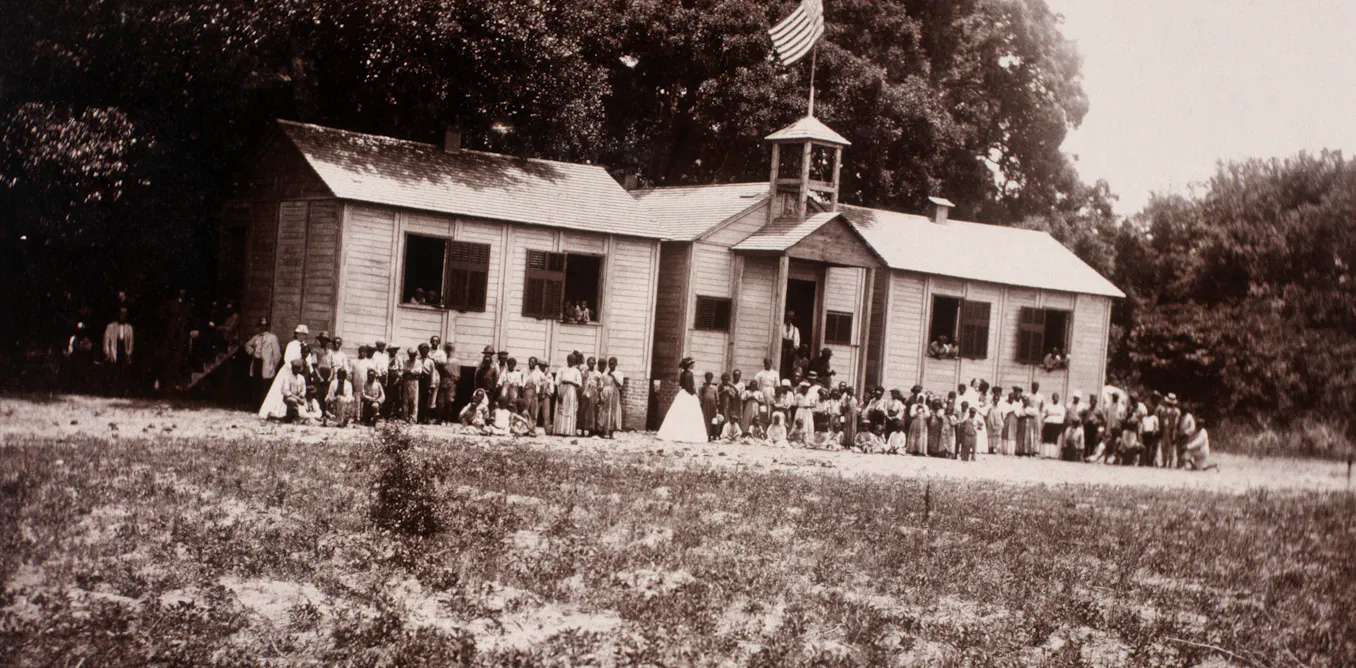
As highlighted by related news, Juneteenth "reminds us of Black Americans’ long struggle for education following the end of slavery." This underscores a critical aspect of the post-emancipation era, where systemic barriers continued to impede Black Americans' access to education and economic advancement. The "promise of freedom" was often deferred, and Juneteenth serves as a moment to acknowledge the persistent challenges and celebrate the progress made while recognizing the work that still needs to be done.
Background Context: The Road to Emancipation and Beyond
The path to Juneteenth was long and arduous. The Civil War (1861-1865) was fought, in large part, over the issue of slavery. The Emancipation Proclamation, though a pivotal wartime measure, did not immediately free all enslaved people. Its reach was limited to areas in rebellion against the Union. It was the surrender of Confederate forces and the subsequent ratification of the Thirteenth Amendment in December 1865 that constitutionally abolished slavery throughout the United States.
The period following emancipation, often referred to as Reconstruction (1865-1877), was a time of immense change and struggle. While Black Americans gained citizenship and voting rights, they faced significant resistance, violence, and the establishment of discriminatory laws (Jim Crow laws) that enforced segregation and disenfranchisement for decades. The "long struggle for education" mentioned in current reports is a testament to this era, as formerly enslaved people were eager to learn but faced limited resources and pervasive prejudice.
What to Expect Next
As Juneteenth gains broader recognition and is now a federal holiday, its observance is evolving. Celebrations typically include parades, festivals, educational events, and family gatherings, all aimed at honoring African American history and culture. This year, like previous ones, will likely see continued emphasis on educational initiatives that shed light on the historical injustices and the ongoing pursuit of equality.
Discussions surrounding Juneteenth are also expected to continue to focus on contemporary issues of racial equity, systemic racism, and the need for continued progress in areas such as education, economic opportunity, and criminal justice reform. The holiday serves as a catalyst for dialogue and action, encouraging individuals and institutions to examine their roles in fostering a more just and equitable society.
Key Takeaways:
- Juneteenth commemorates the effective end of slavery in the United States on June 19, 1865.
- It highlights the delayed enforcement of the Emancipation Proclamation in Texas.
- The holiday underscores the enduring struggle for Black Americans' rights, including education and equality.
- Juneteenth is a time for celebration, remembrance, and continued advocacy for racial justice.