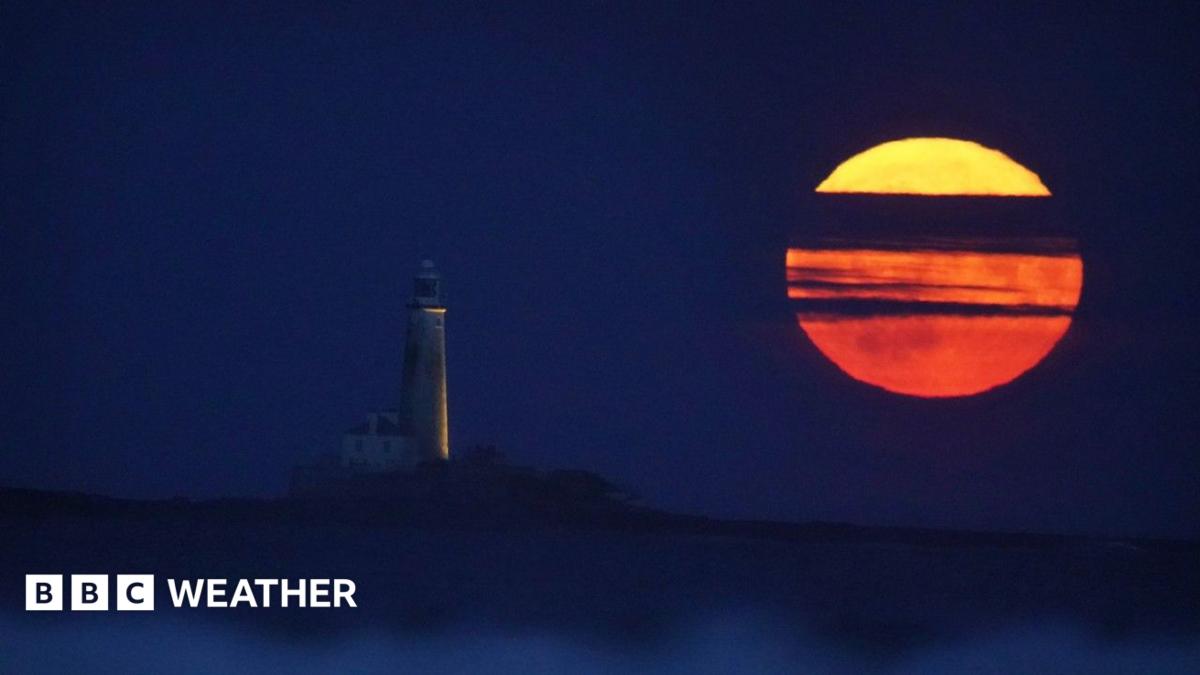
July Buck Moon
Science5000+ searches
Quick Answer
July's Buck Moon is trending as it reaches its peak illumination, offering a spectacular celestial display. This full moon, named for the time of year when male deer (bucks) grow new antlers, is a significant astronomical event captivating skygazers globally.
Why Is This Trending?
The night sky is currently abuzz with the appearance of July's full Buck Moon, making it a prominent trending topic. Skywatchers and astronomy enthusiasts are particularly focused on this event due to its visual splendor and the accompanying celestial phenomena, such as potential meteor showers, as highlighted in recent news coverage.
The name 'Buck Moon' itself sparks curiosity, referring to the annual growth of male deer antlers during this period, a tradition rooted in Native American lunar calendars. As this full moon graces the sky, news outlets are providing comprehensive guides on how and when to best observe it, from the UK to the broader global audience, fueling widespread interest and discussion.
July's Buck Moon Illuminates the Night Sky
The night sky is currently a focal point of interest with the much-anticipated July's full Buck Moon reaching its peak illumination. This celestial event has captured the attention of skygazers, astronomers, and the general public alike, driving discussions and searches across the internet. The full moon, a regular yet always captivating astronomical occurrence, is particularly notable this month due to its traditional name and the optimal viewing conditions often associated with it during the summer months.
What is the Buck Moon?
The full moon in July is traditionally known as the Buck Moon. This name originates from Native American traditions and is associated with the time of year when the male deer, or bucks, begin to grow their prominent new antlers. These antlers are fully in velvet during July, making it a fitting and descriptive name for this lunar phase. Other names for the July full moon include the Thunder Moon, due to the frequent thunderstorms during this month, and the Hay Moon, referencing the hay-harvesting season in many parts of the world.
Why is it Trending Now?
The current trending status of the July Buck Moon is directly linked to its recent and upcoming peak illumination. News outlets and astronomical websites have been actively publishing guides and articles detailing precisely when and how to best view the moon. These resources, including those from BBC, Forbes, and The Independent, highlight the visual spectacle of the rising moon and mention potential accompanying celestial events, such as meteor showers, which increase public engagement and search interest. The collective effort to inform the public about this specific lunar event amplifies its presence in trending topics.
Background Context: The Significance of Full Moons
Full moons have held cultural and astronomical significance for millennia. They occur when the Earth is positioned directly between the Sun and the Moon, causing the lunar disk to appear fully illuminated from our perspective on Earth. This alignment happens approximately every 29.5 days, marking the midpoint of the lunar cycle. Throughout history, full moons have influenced calendars, agricultural practices, and even mythology and folklore. Each full moon of the year carries its own unique name and set of associated traditions, contributing to a rich tapestry of lunar lore.
The Buck Moon is a time when the natural world is in full swing, with wildlife active and the landscape vibrant. Observing it can be a moment to connect with these cycles.
How to Observe the Buck Moon
Observing the Buck Moon typically involves finding a location with minimal light pollution and a clear view of the eastern horizon around sunset. The moon generally appears larger and more dramatic as it rises near the horizon, an effect known as the 'moon illusion.' While its peak illumination is the main event, the entire night offers opportunities for viewing. For those in the UK and other regions, specific timings for moonrise and optimal viewing periods are often provided by local astronomical societies or the aforementioned news sources.
Tips for Best Viewing:
- Find a dark spot away from city lights.
- Check local moonrise times for your specific location.
- Allow your eyes to adjust to the darkness for about 20-30 minutes.
- Consider using binoculars or a telescope for a closer look at lunar features.
What to Expect Next
Following its peak, the Buck Moon will begin to wane, gradually appearing smaller each night as it moves towards its next phase. Astronomers and skywatchers will also be anticipating the next full moon, known as the Sturgeon Moon, which typically occurs in August. In the immediate future, the focus remains on appreciating the current lunar display and any associated phenomena, such as the Perseid meteor shower, which often begins its activity in late July and early August, sometimes coinciding with the tail end of the Buck Moon's prominence.
The July Buck Moon serves as a reminder of the natural rhythms of our planet and the cosmos. It's an opportunity for people to step outside, look up, and appreciate the beauty of the night sky. Whether you're an avid astronomer or simply a curious observer, the full moon offers a universally accessible spectacle.
Related News
Frequently Asked Questions
Why is the July Buck Moon trending?
The July Buck Moon is trending because it is currently at its peak illumination, offering a spectacular celestial display. News outlets are actively publishing guides on how and when to best view it, increasing public interest.
What is the Buck Moon?
The Buck Moon is the traditional name for the full moon that occurs in July. It's named because male deer, or bucks, typically start growing their new antlers during this time of year.
When is the best time to see the Buck Moon?
The best time to see the Buck Moon is around its peak illumination, typically on the night it is full. Look towards the eastern horizon around sunset for the most dramatic view as it rises.
Where can I see the Buck Moon?
You can see the Buck Moon from anywhere with a clear view of the night sky, away from significant light pollution. Check local listings for specific moonrise times in your area.