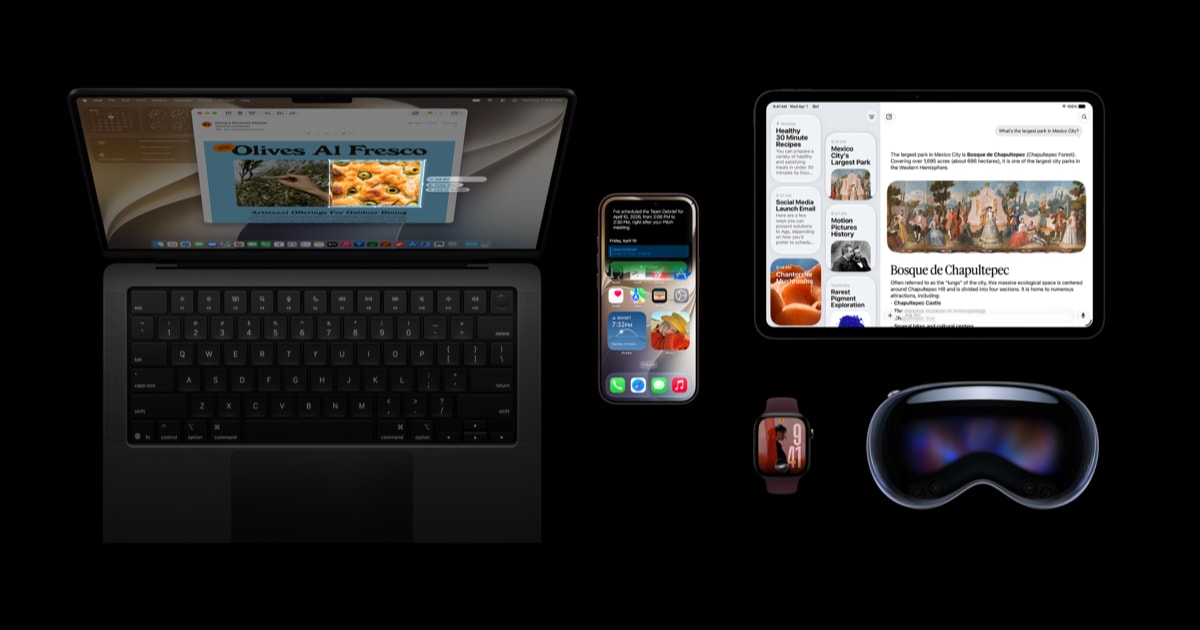
Apple Rolls Out iOS 27: A New Era for Siri and System Refinements
Apple has officially launched its latest mobile operating system, iOS 27, marking a significant update for millions of iPhone and iPad users worldwide. The release, which has quickly become a trending topic, brings a host of new features, performance enhancements, and key improvements, most notably a vastly upgraded Siri powered by advanced AI. Alongside this, the update includes refinements to the user interface and system functionalities, as detailed by major tech publications.
What Happened: The Official Release of iOS 27
Following a period of beta testing, Apple has made iOS 27 available for download. This release is not merely an incremental update; it represents a substantial leap forward in Apple's software ecosystem. The rollout was confirmed by Apple itself, with The New York Times and Ars Technica providing in-depth reviews highlighting the most impactful changes. Key among these is the reimagined Siri, which promises to be more conversational, context-aware, and capable of handling more complex tasks through its new AI underpinnings.
Why It Matters: Smarter Siri and Enhanced User Experience
The primary driver behind the trending status of iOS 27 is the introduction of its next-generation Siri. For years, Siri has been a staple of the Apple ecosystem, but it has often lagged behind competitors in terms of intelligence and natural language processing. With iOS 27, Apple appears poised to close this gap, integrating more sophisticated AI that allows Siri to understand user intent better, provide more relevant responses, and perform a wider range of actions directly. This has significant implications for how users interact with their devices, especially for tasks that require voice commands, such as controlling smart home devices, managing schedules, or even composing messages.
Furthermore, the update extends beyond Siri. Reports indicate refinements to core applications, improved battery management, enhanced privacy controls, and an overall smoother user experience. The mention of 'Liquid Glass refinements' by Ars Technica suggests potential visual or interface advancements that contribute to a more polished feel. For users of Apple CarPlay, the trending aspect specifically relates to how these system-level improvements will manifest in the in-car entertainment and navigation environment, potentially leading to a more seamless and intelligent driving experience.
Background Context: The Evolution of iOS and Siri
Apple's iOS operating system has undergone a remarkable transformation since its inception as iPhone OS. Each major version has introduced groundbreaking features, from the App Store to Control Center, shaping the modern smartphone landscape. Siri, introduced in 2011 with the iPhone 4S, was one of the first AI-powered virtual assistants to gain mainstream traction. However, the competitive landscape has intensified, with rivals like Google Assistant and Amazon Alexa often perceived as more advanced.
The push for a smarter, more capable Siri has been a long-anticipated move from Apple, aiming to reclaim its position in the AI assistant race.
iOS 27 represents Apple's latest effort to rejuvenate its AI capabilities and keep its software offerings competitive and innovative. The underlying advancements in machine learning and natural language processing are crucial for Apple to maintain its ecosystem's appeal against increasingly sophisticated third-party and competitor platforms.
iOS 27 CarPlay: What to Expect
While the initial news focuses on the broader iOS 27 update, the specific interest in 'iOS 27 CarPlay' highlights a key area of user focus. CarPlay serves as the bridge between an iPhone and a car's infotainment system, and updates to iOS often bring new capabilities or improvements to this integration. Users can anticipate:
- Enhanced Siri Integration: A smarter Siri in iOS 27 should translate to more intuitive voice commands for navigation, media playback, communication, and vehicle controls within CarPlay.
- Improved Interface: Potential refinements in iOS 27 could lead to a more responsive or visually updated CarPlay interface, possibly leveraging the 'Liquid Glass' concepts mentioned.
- App Functionality: Updates to core Apple apps or underlying system frameworks might bring new functionalities to compatible third-party CarPlay apps.
- Performance Boosts: General performance and stability improvements in iOS 27 are expected to make the CarPlay experience smoother and more reliable.
What to Expect Next
As users continue to download and explore iOS 27, detailed reviews and user feedback will undoubtedly emerge, offering a clearer picture of its real-world impact. The success of this update will hinge on how well the new AI-driven Siri performs in everyday scenarios and how seamlessly the system refinements enhance the overall user experience, especially within critical integrations like CarPlay. Apple is likely already working on subsequent point releases (e.g., iOS 27.1) to address any initial bugs and further refine features based on user adoption and feedback. The competitive implications for other mobile operating systems and AI assistants will also be closely watched in the coming months.