'Independence Day' at 30: Revisiting the Sci-Fi Blockbuster That Defined a Generation
The Sci-Fi Spectacle That Captured the World's Imagination
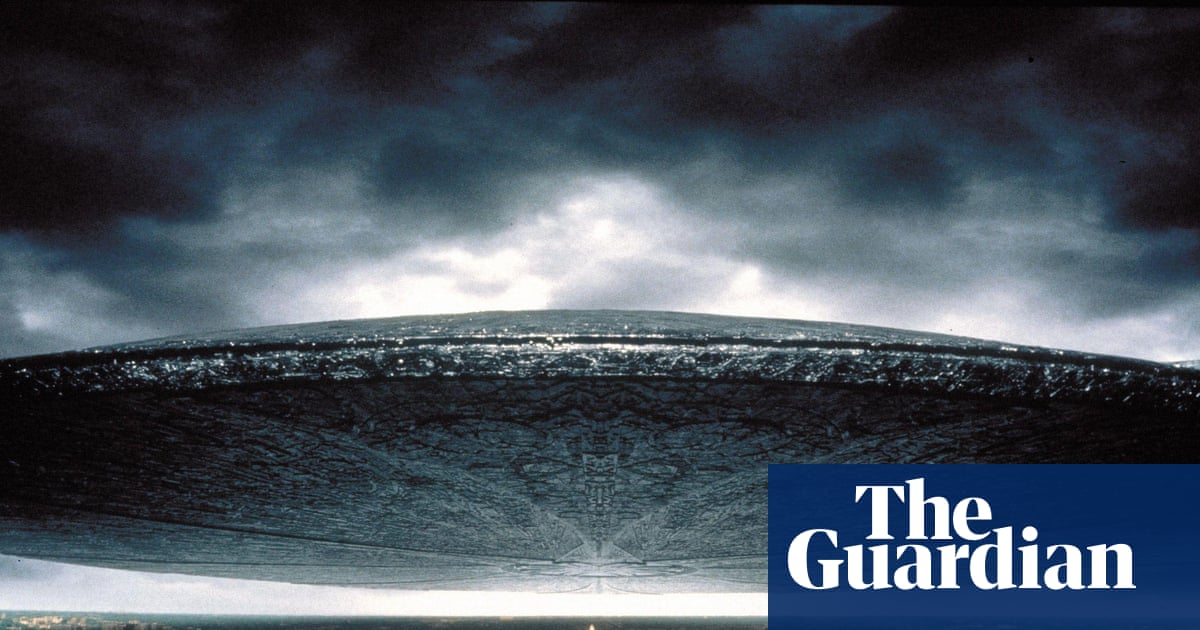
Thirty years ago, audiences were thrust into a terrifying scenario: a massive alien armada descending upon Earth with destructive intent. The film Independence Day, released in 1996, didn't just entertain; it redefined the summer blockbuster and became a cultural touchstone. Today, with retrospectives marking its 30th anniversary, the film is once again capturing attention, prompting a look back at its creation, its stars, and its lasting impact.
What Happened: A Look Back at 'Independence Day'
Directed by Roland Emmerich, Independence Day (often abbreviated as 'ID4') presented a world united against an extraterrestrial threat. The narrative follows a diverse group of characters, including a wisecracking pilot, a brilliant scientist, and the President of the United States, as they rally to fight back against a technologically superior alien force. The film was lauded for its ambitious scope, groundbreaking visual effects (especially for its time), and its blend of thrilling action with moments of humor and heartfelt drama.
The film's success was monumental. It achieved critical and commercial acclaim, becoming the highest-grossing film of 1996 and one of the best-selling home video releases of all time. Its iconic scenes, such as the destruction of major landmarks like the White House and the climactic dogfight, are etched in the minds of moviegoers worldwide. The film's success paved the way for a sequel, Independence Day: Resurgence, released in 2016.
Why It Matters: The Enduring Legacy of a Summer Blockbuster
The current trend around Independence Day is largely driven by its 30th anniversary, sparking renewed discussions about its place in film history. As highlighted in recent articles, the making of the film was far from smooth. One fascinating anecdote reveals the immense pressure director Roland Emmerich faced, even resorting to rewriting scenes on the fly:
"I panicked and raced to set to rewrite." – Roland Emmerich
This behind-the-scenes glimpse underscores the chaotic creative process that often accompanies ambitious projects. It also reminds us of the immense talent and dedication required to bring such a grand vision to life.
Furthermore, the anniversary has prompted a look at the film's cast and where they are today. Actors like Will Smith, Jeff Goldblum, and Bill Pullman have gone on to have diverse careers, and revisiting their roles in 'ID4' offers a point of reflection on their artistic journeys. The film's impact extends beyond its box office numbers; it influenced a generation of science fiction films and demonstrated the potential for original IP to become massive global phenomena.
Background Context: The Rise of the Sci-Fi Epic
Released in the mid-90s, Independence Day arrived at a time when the sci-fi genre was experiencing a resurgence, fueled by advancements in computer-generated imagery (CGI). The film masterfully combined practical effects with early CGI to create stunning visuals that felt both immense and terrifyingly real. This was a period where audiences were increasingly drawn to large-scale, high-concept films that offered escapism and awe.
The film tapped into a universal fear of the unknown and the potential for global catastrophe, but it countered this fear with themes of unity, heroism, and resilience. The idea of ordinary people and world leaders coming together to face an existential threat resonated deeply, offering a sense of hope amidst the destruction. This thematic core, coupled with its thrilling action sequences, made it a perfect summer popcorn movie that appealed to a broad audience.
What to Expect Next: Continued Appreciation and Nostalgia
As the 30th-anniversary conversations continue, we can expect more in-depth analyses of Independence Day's cinematic techniques, its cultural significance, and its influence on subsequent films. Fan communities are likely to engage in further discussions, sharing favorite moments and theories. While there are no current official announcements regarding new 'Independence Day' projects, the enduring popularity of the original suggests that its legacy will continue to be celebrated.
The film's anniversary serves as a reminder of its status as a defining work of late 20th-century cinema. It stands as a testament to the power of ambitious filmmaking and the enduring appeal of a well-told story about humanity's fight for survival. The conversations surrounding 'ID4' at 30 are not just about a movie; they are about a shared cultural moment and the evolution of blockbuster cinema.