Gelendzhik
World100+ searches
Quick Answer
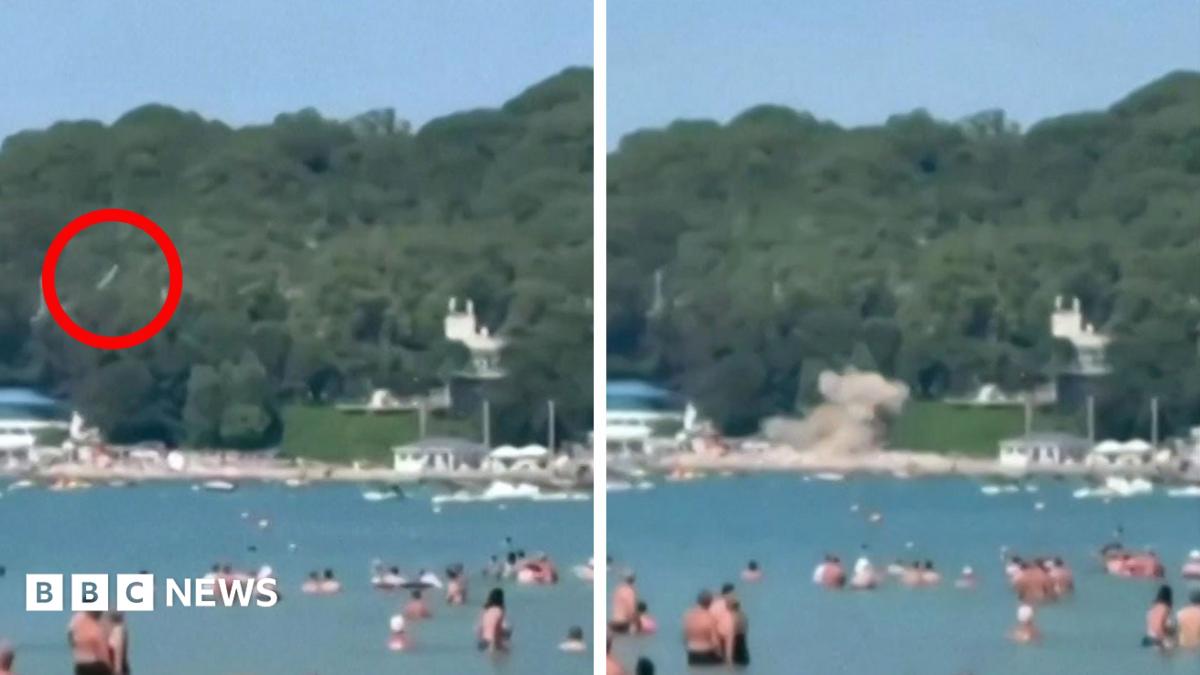
Gelendzhik, a Russian Black Sea resort town, is trending due to recent Ukrainian drone attacks targeting the area. Reports indicate casualties, with at least six killed and 40 injured in one incident on a beach.
Why Is This Trending?
Gelendzhik, a popular Black Sea resort town in Russia's Krasnodar Krai, has become a focal point of international news following reports of Ukrainian drone strikes. The latest incidents, which saw drones reportedly hitting a beach crowded with vacationers, have resulted in multiple fatalities and a significant number of injuries. This escalation brings the ongoing conflict directly to a civilian tourist destination, highlighting the expanding reach of the war and its impact on ordinary lives.
Gelendzhik in Focus Amidst Drone Attacks
Gelendzhik, a picturesque coastal city nestled on the Black Sea coast of Russia, has found itself at the center of concerning news reports due to recent Ukrainian drone attacks. The tranquil resort atmosphere, usually associated with vacationers and tourist activities, has been shattered by acts of war, drawing international attention to the escalating conflict.
What Happened in Gelendzhik?
Recent reports indicate that Ukrainian drones have targeted the Gelendzhik area, with a particularly alarming incident occurring on a crowded beach. According to official Russian statements cited by media outlets like the BBC and The Telegraph, a Ukrainian drone strike on the beach resulted in the deaths of at least six people and injured approximately 40 others. This attack, which occurred during daylight hours when the beach would have been populated, underscores the deliberate targeting of areas with civilian presence.
These events are part of a broader pattern of intensified attacks between Russia and Ukraine. Al Jazeera and other sources have noted that both sides have been engaging in heavy exchanges, with drones playing an increasingly significant role. The targeting of a resort town like Gelendzhik represents a notable escalation, bringing the conflict's harsh realities to a location far from the traditional front lines.
Why is This Happening and Why Does it Matter?
The drone attacks on Gelendzhik are intrinsically linked to the ongoing full-scale invasion of Ukraine by Russia, which began in February 2022. Ukraine has stated its right to defend itself and strike targets within Russian territory that it deems to be supporting the invasion or are of military significance. The targeting of coastal areas, even those considered civilian hubs, can be interpreted as an attempt by Ukraine to disrupt Russian logistics, morale, or to demonstrate that no part of Russia is entirely safe from retaliation.
The psychological impact of such attacks on a civilian population, particularly in a popular tourist destination, is significant. It highlights the pervasive nature of modern warfare and the blurred lines between civilian and military spaces in conflict zones.
The attacks matter on multiple levels. Firstly, they underscore the devastating human cost of the conflict, with innocent civilians bearing the brunt of the violence. Secondly, they signal a potential broadening of the conflict's reach, raising concerns about further escalations and the safety of civilian populations in both countries. For Russia, the attacks on popular resort towns can also represent a blow to national pride and the perception of security. For Ukraine, such strikes are framed as necessary defensive actions against an aggressor occupying its territory.
Background Context
Gelendzhik is located in Russia's Krasnodar Krai region, along the northeastern coast of the Black Sea. It is one of Russia's most popular resort destinations, known for its beaches, climate, and tourist infrastructure. The city has been developing its tourism sector, attracting both domestic and international visitors prior to the full-scale conflict.
The use of drones in modern warfare has surged dramatically since the beginning of the conflict in Ukraine. Both sides have deployed various types of unmanned aerial vehicles for reconnaissance, surveillance, and attack purposes. Ukraine has increasingly focused on drone strikes within Russian territory, targeting military installations, energy infrastructure, and, as seen recently, civilian areas.
Russia, in turn, has conducted extensive aerial bombardments using drones and missiles against Ukrainian cities and infrastructure. The reciprocal nature of these attacks contributes to a cycle of escalation, making areas like Gelendzhik vulnerable.
What to Expect Next
Following these incidents, it is likely that security measures in Gelendzhik and other Black Sea coastal areas may be heightened. Russia is expected to respond, potentially with increased retaliatory strikes against Ukrainian targets. There may also be greater scrutiny and debate internationally regarding the targeting of civilian-adjacent areas and the effectiveness and ethical implications of such tactics.
The ongoing nature of the conflict suggests that further drone activity and other forms of attack are probable. The long-term impact on Gelendzhik's tourism industry and the broader Russian perception of security remain to be seen. International bodies and diplomatic channels will likely continue to call for de-escalation and the protection of civilian lives amidst these volatile developments.
The resilience of communities affected by such attacks, alongside the ongoing diplomatic efforts to find a resolution to the wider conflict, will be critical in the coming months.
Related News
Frequently Asked Questions
Why is Gelendzhik trending?
Gelendzhik is trending because of recent Ukrainian drone attacks that have targeted the Russian Black Sea resort town. These attacks have resulted in casualties, including deaths and injuries among civilians.
What happened with the drone attacks in Gelendzhik?
Reports indicate that Ukrainian drones struck the Gelendzhik area, with a notable incident occurring on a beach. This attack allegedly caused multiple fatalities and injuries, drawing significant media attention.
Are resort towns like Gelendzhik safe?
The recent attacks suggest that even popular tourist destinations like Gelendzhik are not immune to the ongoing conflict. The use of drones has expanded the potential reach of attacks, raising concerns about civilian safety in various locations.
What is the context of these attacks?
These attacks are part of the broader Russia-Ukraine war. Ukraine has stated its intent to strike targets within Russian territory in defense against the ongoing invasion, which began in February 2022.