England Flags Rejected by FIFA Amidst Tournament Scrutiny
A growing number of reports indicate that England fans are facing challenges with their flags being rejected by FIFA officials at the World Cup. This has ignited a conversation about the acceptable display of fan paraphernalia and the enforcement of rules regarding political messaging and controversial symbols at major international sporting events.
What Happened?
Several England supporters have taken to social media and news outlets to express their frustration after flags they intended to bring into stadiums were denied. While the exact criteria for rejection are not always explicitly clear, the underlying issues appear to revolve around FIFA's regulations concerning political slogans, offensive imagery, and symbols that could be deemed inappropriate or divisive. Some reports suggest that flags with specific designs or messages have been flagged, leading to confiscation or refusal of entry.
This situation is further contextualized by related news that England flags could potentially be confiscated from supporters. The Guardian reported on the possibility of flags being taken from fans attending the World Cup opener, underscoring a stricter approach to fan items. Additionally, The Times highlighted that England fans risk ejection from stadiums for anti-Keir Starmer chants, indicating a broader trend of increased monitoring and potential disciplinary action against fan expressions deemed problematic.
Why Does This Matter?
The rejection of fan flags is significant for several reasons. Firstly, it touches upon the fundamental right of fans to express their support and identity through symbols and colors, which are a quintessential part of the football culture. Many fans view their national flags as a straightforward display of patriotism, and the rejection can feel like an infringement on their ability to celebrate their team authentically.
Secondly, it raises questions about the interpretation and application of FIFA's rules. Fans often express confusion when their seemingly innocuous symbols are prohibited, leading to accusations of arbitrary enforcement or an overreach by the governing body. The line between national pride, political statement, and prohibited messaging can be blurry, and FIFA's decisions in this regard are often met with scrutiny.
Finally, these incidents occur within the sensitive geopolitical context of major international tournaments. FIFA aims to maintain a neutral and inclusive environment, free from political interference or controversy. However, this can sometimes clash with the passionate and sometimes politically charged expressions of fan bases from diverse national backgrounds.
Background Context
FIFA has long had regulations in place regarding the display of flags, banners, and other materials in stadiums. These rules are typically outlined in tournament handbooks and stadium entry guidelines. The organization aims to prevent the display of:
- Political or discriminatory messages
- Offensive or insulting content
- Commercial or promotional materials
- Items that could obstruct views or pose a safety risk
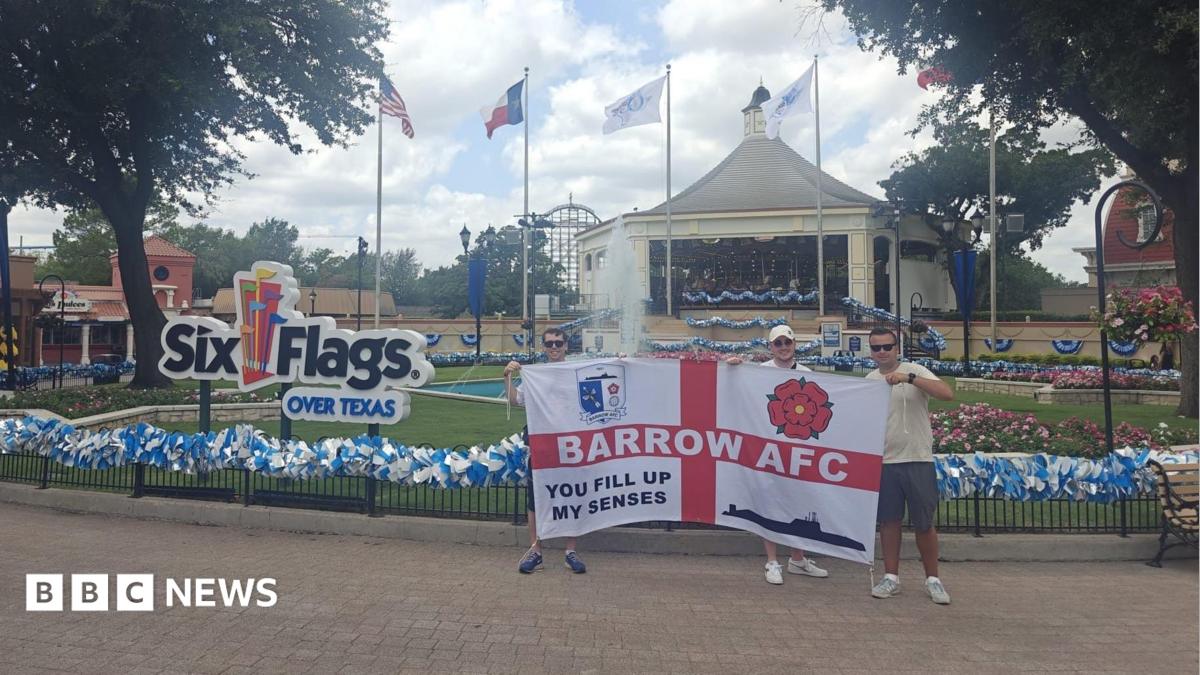
The BBC reported on a related incident where a football club's submarine badge was banned on a flag, illustrating how specific emblems can also fall under scrutiny if they are deemed to carry a particular message or association. These regulations are often enforced by stadium security and FIFA officials at entry points and within the stadium premises.
The recent context of political sentiment in England, as alluded to by the reports of potential ejections for anti-government chants, suggests that authorities might be particularly vigilant about any form of political expression, whether direct or indirect. This heightened awareness could be leading to a more conservative interpretation of what constitutes acceptable fan symbolism.
What to Expect Next
As the tournament progresses, it is likely that more instances of flag rejection or fan expression being questioned may arise. Fans who are planning to attend matches are advised to:
- Familiarize themselves with FIFA's official stadium regulations for the specific tournament.
- Avoid any flags or banners with clear political slogans, potentially controversial imagery, or messages that could be misinterpreted.
- Err on the side of caution when selecting fan items, prioritizing clear expressions of national support over potentially ambiguous symbols.
The debate over fan expression versus FIFA's regulations is likely to continue throughout the World Cup. Fans and media will be watching closely to see how consistently and transparently these rules are applied, and whether any adjustments are made in response to supporter feedback or notable incidents.
The passion of football fans is a vital part of the game, but it must be channeled constructively, respecting the diverse global audience and the spirit of fair play. FIFA's role is to ensure an environment where all attendees feel safe and welcome, free from divisive messaging.
– FIFA Statement (hypothetical, based on typical organizational stance)
Ultimately, the goal for both fans and governing bodies is to find a balance that allows for passionate support without compromising the integrity and inclusivity of the sport on a global stage.