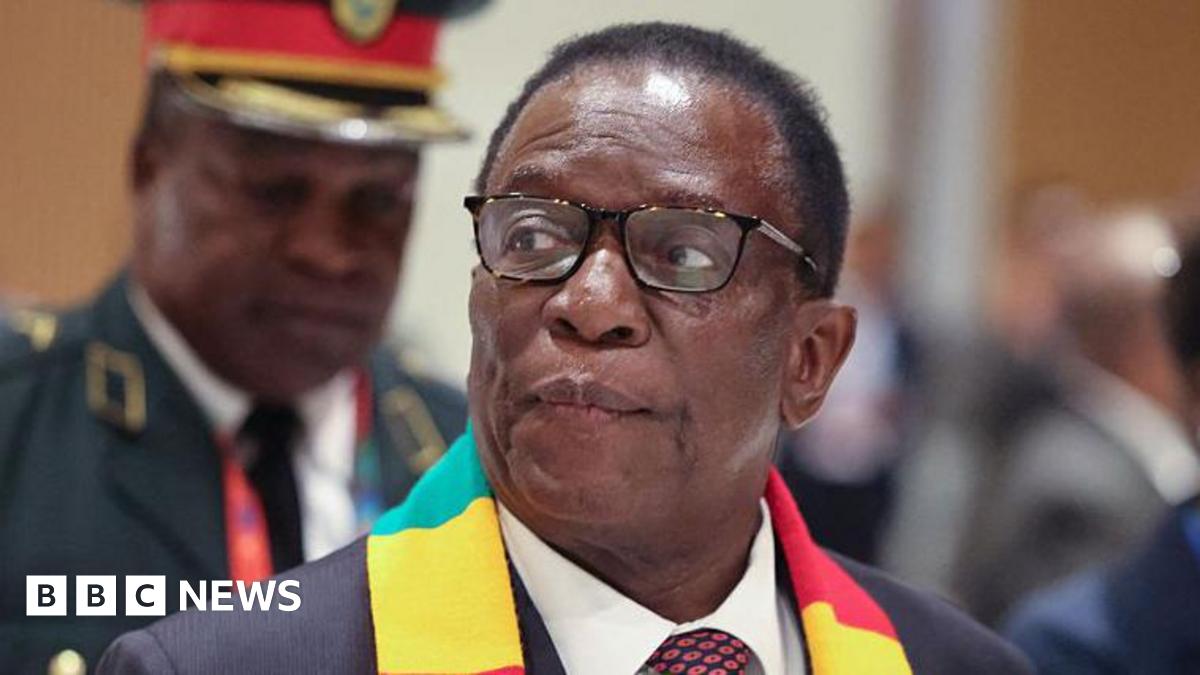
Emmerson Mnangagwa
Politics100+ searches
Quick Answer
Zimbabwean President Emmerson Mnangagwa is trending amid reports of potential efforts to extend his presidential term and scrap future elections. Concerns are rising about the country's democratic future and accountability under his leadership.
Why Is This Trending?
Emmerson Mnangagwa, Zimbabwe's President, has become a focal point of international and domestic attention due to mounting concerns about his administration's commitment to democratic principles. Recent reports suggest a potential bid to amend the constitution to extend his term in office, effectively sidelining upcoming elections and raising fears of a move towards a life presidency. This has ignited discussions about the erosion of accountability, particularly in light of controversial legislative proposals like the Private Voluntary Organisations (PVO) Amendment Bill, also known as CAB3, which critics argue will stifle civil society and human rights organizations.
The implications of these developments are significant, casting a shadow over Zimbabwe's political trajectory and its international standing. The potential for prolonged leadership without electoral contestation raises serious questions about democratic governance and the protection of fundamental freedoms. As Zimbabweans and the global community watch closely, the actions of President Mnangagwa's government will be crucial in determining the nation's path towards stability and respect for human rights.
Emmerson Mnangagwa: Zimbabwe's Leader Amidst Election Extension Rumors and Accountability Concerns
Emmerson Mnangagwa, the current President of Zimbabwe, is currently a trending topic due to significant developments and concerns surrounding his leadership and the country's democratic future. Reports from international media outlets like the BBC and Financial Times have highlighted a perceived move by Mnangagwa's administration to extend his presidential term and potentially scrap future elections. These developments have sparked widespread debate about accountability and the trajectory of Zimbabwean democracy under his leadership.
What is Happening?
Recent news suggests that President Emmerson Mnangagwa may be exploring avenues to extend his time in office beyond constitutionally mandated terms. Speculation is rife about potential efforts to amend electoral laws or the constitution to facilitate this, effectively undermining the electoral process. This has led to comparisons with a move towards a 'president for life' scenario, a prospect that has alarmed human rights organizations and political observers.
Adding to the concerns is the ongoing debate around the Private Voluntary Organisations (PVO) Amendment Bill, also referred to as CAB3. Zimbabwe's Human Rights Commission has reportedly stated that CAB3 undermines accountability. Critics argue that this bill, if passed, will severely restrict the operations of non-governmental organizations and civil society groups, which play a vital role in advocating for human rights and providing essential services. This move is seen by many as an attempt to stifle dissent and consolidate power.
Why Does This Matter?
The potential extension of President Mnangagwa's term and the perceived crackdown on civil society have significant implications for Zimbabwe and the broader region. Firstly, it raises serious questions about democratic governance and the rule of law. If elections are sidelined or their integrity compromised, it weakens the very foundation of a democratic state and could lead to political instability.
"The efforts to extend presidential terms without genuine electoral contestation are a direct assault on democratic principles and the will of the people."
– A political analyst, speaking anonymously due to security concerns.
Secondly, the alleged undermining of accountability mechanisms, such as through restrictive legislation like CAB3, is detrimental to the protection of human rights. Civil society organizations are often the first line of defense against abuses and the primary channels for citizens to voice grievances. Restricting their work can lead to an environment where human rights violations go unchecked.
Internationally, such moves could affect Zimbabwe's relations with foreign governments and international financial institutions, potentially impacting foreign investment and aid. Zimbabwe has been seeking to re-engage with the global community, and actions perceived as anti-democratic could jeopardize these efforts.
Background Context
Emmerson Mnangagwa, often referred to as 'The Crocodile,' has been a prominent figure in Zimbabwean politics for decades. He succeeded Robert Mugabe in 2017 following a military intervention. Mnangagwa promised a 'new dispensation' for Zimbabwe, emphasizing economic reform and political inclusivity. However, his presidency has been marked by challenges, including economic hardship, alleged human rights abuses, and persistent questions about the legitimacy of his electoral victories.
His political career began in the early days of Zimbabwe's independence, serving in various key ministerial positions, including as Minister of State Security during the Gukurahundi massacres in the 1980s. His reputation has been a mix of shrewd political maneuvering and a no-nonsense approach, earning him the 'Crocodile' moniker. The current political climate, with the perceived push for term extension and the PVO Amendment Bill, is seen by many as a continuation of authoritarian tendencies rather than a break from the past.
The PVO Amendment Bill (CAB3) itself is a complex piece of legislation. While the government argues it is necessary to combat money laundering and terrorism financing, critics contend that its broad provisions will enable the state to arbitrarily deregister NGOs, control their funding, and restrict their activities, effectively silencing critical voices.
What to Expect Next
The situation remains fluid, and the coming weeks and months will be crucial. It is expected that there will be continued scrutiny from international bodies, human rights organizations, and opposition political parties within Zimbabwe. The legal and political battles surrounding the PVO Amendment Bill are likely to intensify.
Furthermore, any concrete moves towards amending electoral laws or the constitution to extend presidential terms will undoubtedly face strong opposition, both domestically and internationally. Protests, legal challenges, and increased diplomatic pressure could follow. The resolve of the Zimbabwean judiciary and the resilience of civil society will be put to the test.
President Mnangagwa's administration will likely attempt to frame these actions as necessary for stability and development, while critics will continue to highlight the potential for autocratic rule. The outcome will shape Zimbabwe's political landscape for years to come, influencing its economic prospects and its standing on the global stage.
Key areas to watch include:
- The progress of the PVO Amendment Bill through parliament and its eventual implementation.
- Any official announcements or legislative proposals regarding presidential term limits or electoral reforms.
- The response of Zimbabwean civil society and opposition parties to these developments.
- Statements and actions from regional bodies like SADC and international organizations such as the UN and AU.
Related News
Frequently Asked Questions
Why is Emmerson Mnangagwa trending?
Emmerson Mnangagwa is trending due to reports that his government may be attempting to extend his presidential term and potentially scrap future elections. Concerns about accountability, particularly regarding the PVO Amendment Bill (CAB3), are also fueling the discussion.
What are the concerns about the PVO Amendment Bill (CAB3)?
The PVO Amendment Bill (CAB3) is criticized for potentially undermining accountability by restricting the operations of NGOs and civil society organizations. Critics fear it will allow the government to silence dissent and control independent voices.
What does 'president for life' mean in this context?
The phrase 'president for life' is used by critics to express concern that President Mnangagwa might seek to alter electoral laws or the constitution to remain in power indefinitely, bypassing regular democratic elections.
What was Mnangagwa's promise when he took office?
Upon taking office in 2017, Emmerson Mnangagwa promised a 'new dispensation' for Zimbabwe, focusing on economic reform and political inclusivity. However, recent developments have led many to question whether these promises are being fulfilled.