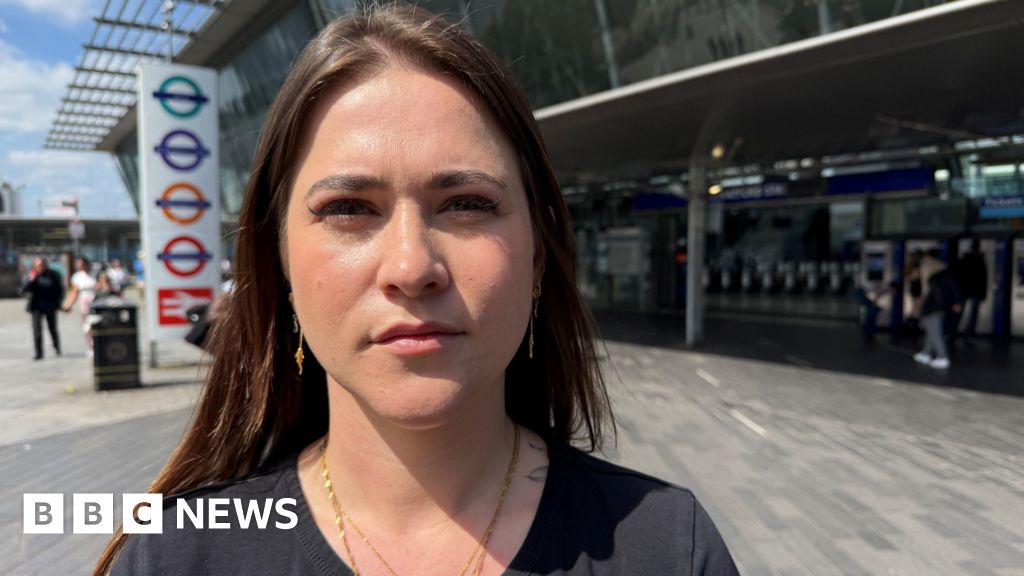
Elizabeth Line Under Scrutiny Following Reports of Assault and Delayed Police Response
The Elizabeth Line, a flagship addition to London's transport network, has recently found itself at the center of public concern due to distressing reports of a sexual assault on one of its trains and the subsequent, widely criticized, delay in police response. The incidents have reignited discussions about passenger safety, particularly for women, on public transport and the effectiveness of the policing response.
What Happened?
Multiple news outlets have reported on a disturbing sexual assault that took place on a crowded Elizabeth Line train. The focus of the reporting has been not only on the assault itself but also on the extended period it took for the British Transport Police (BTP) to respond to the incident. Victims and witnesses have expressed feelings of being "massively let down," with reports indicating response times of up to 13 hours. CCTV footage has been issued by the BTP in an effort to identify the perpetrator, but the lengthy delay in their arrival has become a major point of contention.
Why This Matters: Passenger Safety and Trust
The safety of passengers, especially on busy urban transit systems, is paramount. For many, especially women, the journey on public transport can be a source of anxiety, and prompt, effective policing is crucial to maintaining a sense of security. The reported 13-hour delay in police response on the Elizabeth Line understandably erodes public trust. It raises questions about the BTP's capacity to handle such incidents swiftly, particularly on a line that serves a vast number of commuters daily. This situation highlights a critical need for adequate resourcing and efficient protocols to ensure that victims receive immediate support and that perpetrators are apprehended without undue delay.
Background Context: The Elizabeth Line and BTP
The Elizabeth Line, opened in May 2022, represents a significant upgrade to London's rail infrastructure, connecting many parts of the city and beyond. Its introduction was heralded as a transformative project, aiming to improve connectivity and reduce journey times. The British Transport Police (BTP) is the national police force for the rail network in Great Britain, responsible for policing railways, including the London Underground and other rail services. They are tasked with ensuring the safety and security of millions of passengers and staff every day. However, like many police forces, the BTP faces challenges related to staffing levels and resource allocation, which can impact response times, especially during peak hours or when dealing with multiple incidents.
What to Expect Next
Following these reports, public pressure is likely to mount on both Transport for London (TfL) and the British Transport Police to address the concerns raised. We can expect investigations into the specific incident and the reasons behind the delayed response. Calls for increased police presence, improved reporting mechanisms, and more efficient response protocols are probable. The BTP may also issue statements outlining their commitment to improving response times and passenger safety. Passengers will likely be seeking reassurance that measures are being taken to prevent similar incidents and ensure a swift response when they do occur. The ongoing public discourse will be crucial in driving any necessary changes within the policing and safety framework of the Elizabeth Line and the wider London transport network.