The Surprising Resilience of the Russian Economy
The global financial and political landscape has been dominated by discussions surrounding the Russian economy, particularly in the wake of unprecedented sanctions imposed by Western nations. Initial forecasts predicted a swift and severe collapse, yet recent analyses suggest a more complex and resilient picture, leading to widespread interest and debate.
What Happened? Reports of Collapse Exaggerated
Following the invasion of Ukraine, a barrage of sanctions was levied against Russia, aimed at crippling its financial system and economy. These measures included freezing central bank assets, cutting off major banks from the SWIFT system, and imposing export controls. The expectation was that such a comprehensive economic assault would lead to hyperinflation, widespread business failures, and a significant decline in living standards, forcing a change in policy.
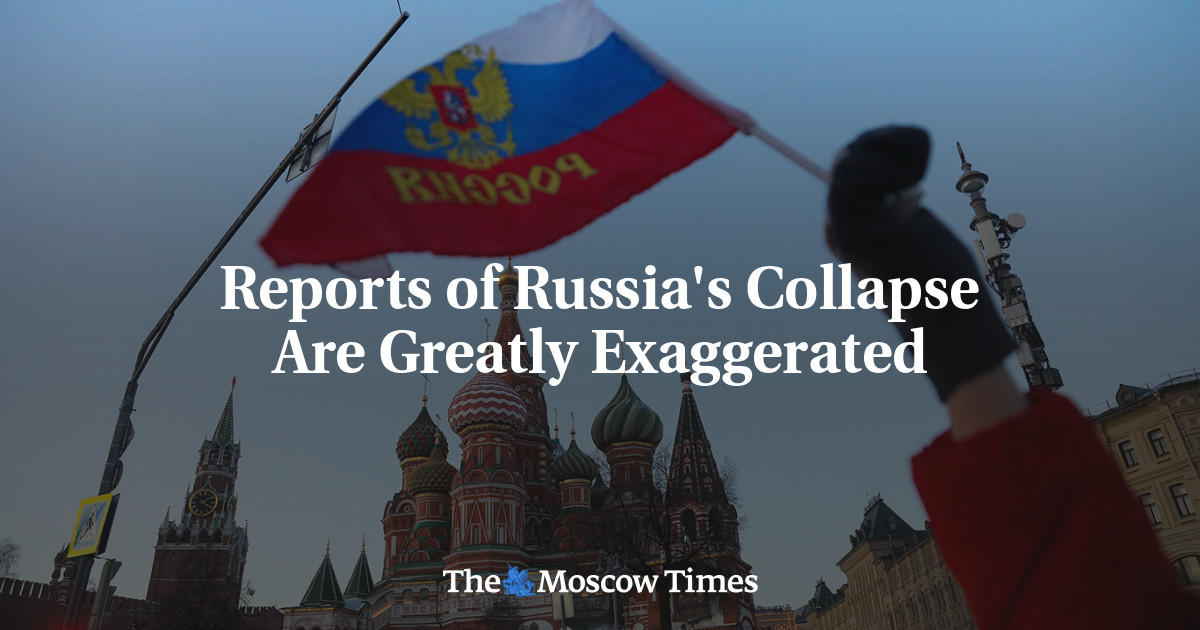
However, reports from various news outlets indicate that these predictions have largely not materialized. The Moscow Times, for instance, published articles suggesting that reports of Russia's economic collapse were greatly exaggerated. Similarly, Bankingnews highlighted how Europe's anticipation of Russia's economic downfall may have backfired, with some suggesting that the redirection of trade and the adaptation of the Russian economy have provided unexpected benefits, such as fostering domestic industries and securing new markets.
Why It Matters: Shifting Geopolitical and Economic Power Dynamics
The unexpected resilience of the Russian economy has profound implications. It challenges the efficacy of Western sanctions as a primary tool for geopolitical leverage and suggests that nations can find ways to circumvent or adapt to such pressures. As noted by Nikkei Asia, while Russia may be economically weakened in certain aspects, it remains a significant player, capable of projecting influence and posing security challenges.
This situation affects global energy markets, as Russia remains a key supplier of oil and gas. The ability of the Russian economy to withstand sanctions impacts the stability of these markets and influences international energy policies. Furthermore, it prompts a re-evaluation of economic warfare strategies and the interconnectedness of the global economy. The world is watching to see how these economic maneuvers will reshape international relations and power balances in the long term.
Background Context: A History of Adaptation
Russia's economy has historically demonstrated a capacity to adapt to external shocks. The country has navigated numerous economic crises, including the post-Soviet transition, the 1998 financial crisis, and the 2008 global financial crisis, often relying on its vast natural resources and a centralized approach to economic management. The current sanctions regime, while unprecedented in scope, operates within this context of a state that has experience in managing under duress.
The redirection of Russia's trade has been a key factor in its economic adaptation. With traditional Western partners reducing ties, Russia has sought to strengthen economic relationships with countries in Asia, particularly China and India. This shift has involved rerouting energy exports and increasing trade in other commodities, demonstrating a strategic pivot in its international economic engagement.
"The sanctions were designed to isolate Russia, but instead, they may have inadvertently strengthened its ties with non-Western powers and forced a more rapid development of domestic capabilities."
What to Expect Next: Continued Uncertainty and Evolving Strategies
The future trajectory of the Russian economy remains uncertain and subject to numerous variables. Continued geopolitical tensions, the effectiveness of ongoing sanctions, and global economic trends will all play a role. Western nations are likely to continue refining their sanction strategies, while Russia will pursue further adaptation and diversification efforts.
It is probable that the Russian economy will operate in a state of managed resilience, with the government continuing to prioritize stability and national security interests. Consumers and businesses may face ongoing challenges, but the state's ability to control key sectors and redirect resources could mitigate widespread collapse. The global community will likely continue to monitor these developments closely, as the economic health of Russia has far-reaching consequences for international stability and prosperity.
- Key Sectors: Analysis of how sectors like energy, agriculture, and technology are performing under current conditions.
- Inflation and Currency: Monitoring the stability of the Russian Ruble and inflation rates.
- Trade Reorientation: Tracking the success of Russia's pivot towards Asian and other non-Western markets.
- Government Intervention: The role of state support and fiscal policies in propping up the economy.
The narrative of the Russian economy is far from settled. While initial fears of immediate collapse may have been overstated, the long-term impacts of sanctions, coupled with global economic shifts, will undoubtedly shape its future. Understanding this evolving situation is crucial for grasping the broader geopolitical and economic realignments occurring on the world stage.