Daily Mail
General1000+ searches
Quick Answer
The Daily Mail is trending due to its involvement in ongoing legal battles and its reporting on controversial events. Notably, Prince Harry and Elton John recently lost a case against the publisher, while the tabloid also faced scrutiny for publishing an offensive mock Welcome to Country segment.
Why Is This Trending?
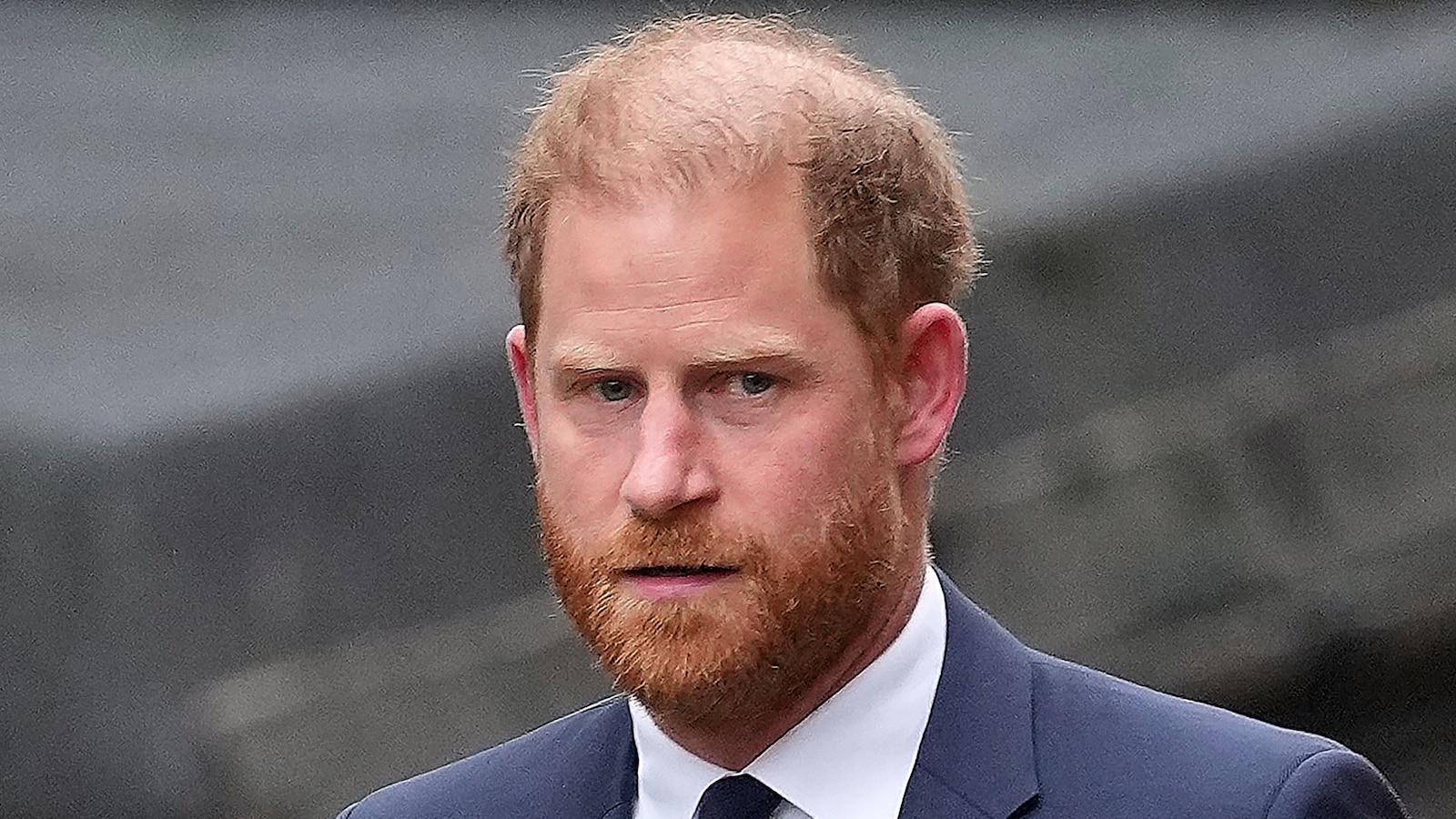
The Daily Mail, a prominent UK tabloid, finds itself in the spotlight for multiple reasons this week, driving significant online discussion. Its parent company recently suffered a legal setback as Prince Harry, Elton John, and others lost their long-running case against the publisher concerning alleged unlawful information gathering. This high-profile legal defeat brings renewed attention to the tabloid's practices.
Furthermore, the Daily Mail has been criticized for its coverage of a far-right rally, specifically for republishing an offensive mock Welcome to Country performed by a comedian. This decision has drawn condemnation and linked the publication to potentially harmful content, exacerbating its trending status amidst a complex news cycle.
Daily Mail at the Center of Legal Battles and Controversial Reporting
The Daily Mail, one of the United Kingdom's most widely read newspapers, is currently a trending topic due to a confluence of significant legal developments and controversial editorial decisions. Recent news highlights the tabloid publisher's involvement in high-stakes litigation and its coverage of sensitive social and political events.
Legal Setback for Prince Harry and Elton John Against Publisher
In a major legal development, prominent figures including Prince Harry and music icon Elton John have lost their years-long case against the publisher of the Daily Mail. The lawsuit, which alleged unlawful information gathering by Associated Newspapers Limited (ANL), the parent company of the Daily Mail, was dismissed by the High Court. The claimants had accused ANL of employing private investigators to intercept private communications and using other unlawful methods to gather sensitive personal information. The court's decision to rule in favor of the publisher marks a significant victory for the newspaper group, though it is widely expected that the claimants may appeal the ruling.
This outcome represents a major legal defeat for the high-profile claimants, while vindicating the publisher against serious accusations of journalistic misconduct.
The case has been closely watched, not only for its implications for the individuals involved but also for the broader questions it raises about privacy, media intrusion, and the ethical boundaries of tabloid journalism. The lengthy legal battle underscores the significant resources and determination required to challenge powerful media organizations.
Criticism Over 'Mock Welcome to Country' Reporting
In a separate but equally attention-grabbing incident, the Daily Mail has faced criticism for its decision to publish an offensive mock Welcome to Country performed by a comedian at a far-right rally. The incident, which was initially reported by The Guardian's Weekly Beast, involved the comedian repurposing a traditional Indigenous Australian ceremony in a manner deemed disrespectful and deeply offensive. The Daily Mail's decision to republish this content has drawn sharp condemnation from various quarters, including Indigenous rights advocates and commentators concerned about the amplification of harmful material.
The publication of this mock ceremony has been framed by critics as a failure of editorial judgment, potentially lending a platform to views that are discriminatory and harmful. This controversy highlights the ongoing debate surrounding the responsibility of media outlets in what they choose to publish, particularly when such content could perpetuate prejudice or cause offense.
Broader Context and 'March for Australia'
The reporting on the mock Welcome to Country comes amidst broader discussions about the influence of far-right ideologies in public discourse. Related reports, such as from Searchlight Magazine, have detailed a 'March for Australia' event where, despite dwindling numbers, neo-Nazi influence was reported to be growing. The Daily Mail's decision to feature content from such events, even if critically, places it within the orbit of these contentious social and political movements.
The Daily Mail's editorial stance and reporting choices in these instances have reignited debates about the role of tabloid media in shaping public opinion and its ethical responsibilities. The publication's engagement with both high-profile legal challenges and controversial cultural events ensures its continued prominence in public discourse.
Why This Matters
The current trending status of the Daily Mail is multifaceted. Legally, the dismissal of the case brought by Prince Harry and Elton John has significant implications for media organizations and the privacy rights of public figures. It may embolden publishers in their defense against similar claims, while also potentially intensifying calls for stricter regulation or legislative changes.
On the content front, the controversy surrounding the mock Welcome to Country speaks to the enduring challenges in media ethics, particularly concerning race, cultural sensitivity, and the spread of misinformation or offensive material. It raises critical questions about the balance between reporting on controversial events and the potential harm caused by amplifying such content.
What to Expect Next
Given the high-profile nature of the legal case, it is highly probable that the claimants will explore avenues for appeal. This could lead to further legal proceedings, keeping the publisher and its practices in the news for an extended period. Regarding the reporting controversies, public and media scrutiny is likely to persist. The Daily Mail may face further calls for editorial review or apology, depending on the sustained public reaction and the stance taken by media watchdog groups. The ongoing dialogue about media responsibility in the digital age suggests that these issues will continue to be debated vigorously.
Related News
Prince Harry, Elton John lose yearslong case against UK tabloid publisher
ABC News - Breaking News, Latest News and VideosComedian’s offensive mock Welcome to Country at far-right rally gets rerun in the Daily Mail | Weekly Beast
The Guardian‘March for Australia’ loses numbers but neo-nazi influence grows
Searchlight MagazineFrequently Asked Questions
Why is the Daily Mail trending today?
The Daily Mail is trending due to recent news including Prince Harry and Elton John losing a legal case against its publisher, Associated Newspapers Limited. It is also trending because of controversy surrounding its reporting on an offensive mock Welcome to Country at a far-right rally.
What happened in the legal case involving Prince Harry and Elton John?
Prince Harry, Elton John, and others lost their long-running legal case against the publisher of the Daily Mail. They had accused the publisher of unlawful information gathering. The High Court ruled in favor of the publisher, dismissing the claims.
What is the controversy regarding the 'mock Welcome to Country'?
The Daily Mail published an offensive mock Welcome to Country ceremony performed by a comedian at a far-right rally. This decision has drawn significant criticism for amplifying disrespectful and potentially harmful content.
What is the significance of these events for the Daily Mail?
These events highlight ongoing debates about media ethics, privacy rights, and the role of tabloids in public discourse. The legal outcome may affect future challenges against media organizations, while the content controversy raises questions about editorial responsibility.