Dominic Calvert-Lewin at the Center of Hair-Pulling Controversy
Dominic Calvert-Lewin, the striker for Everton, has found himself at the center of a trending discussion in the football world following a controversial incident during a recent match. While details of the specific game are still emerging, reports indicate that Calvert-Lewin was involved in a situation where he pulled an opponent's hair. This action, often viewed as unsportsmanlike and potentially dangerous, has ignited a debate about officiating standards and consistency within the sport.
What Happened?
The incident involved Calvert-Lewin allegedly pulling an opponent's hair during a crucial moment in a Premier League fixture. While the act itself was captured and has been widely circulated on social media and in sports news, the disciplinary outcome has become the focal point of the controversy. Unlike some other high-profile cases, Calvert-Lewin did not receive a red card for the offense, leading to questions about the referee's decision and the Football Association's (FA) stance on such actions.
Why It Matters: Inconsistency in Officiating
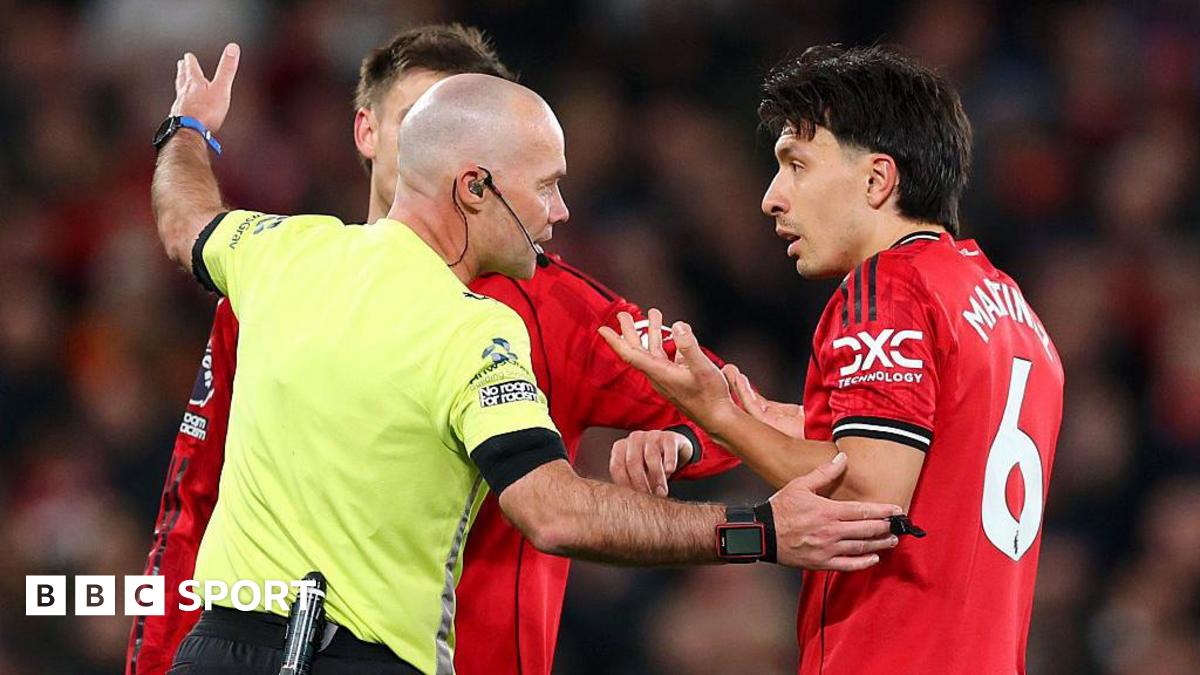
The trending status of Dominic Calvert-Lewin is largely driven by a perceived lack of consistency in how such incidents are handled. Recent news highlights the FA panel's stance that "hair pulling ought not to be tolerated." This statement seems to be in direct contrast to the decision made in the Calvert-Lewin case. Furthermore, Manchester United recently failed in their appeal against Lisandro Martinez's red card for a similar hair-pulling offense. This has led to frustration among fans, with reports from outlets like the Daily Star indicating that Man Utd fans were particularly furious that Calvert-Lewin appeared to escape a red card for a comparable act.
"The FA panel has made it clear that hair pulling is unacceptable, yet we're seeing instances where players don't face the ultimate sanction. This inconsistency breeds frustration among supporters."
The core of the issue lies in the differential treatment of similar offenses. When fans see one player receiving a severe punishment for an act, and another seemingly getting away with it, it undermines trust in the integrity of the game's rules and their application. Social media has been abuzz with comparisons, memes, and discussions questioning the fairness of the referees and the disciplinary bodies.
Background Context: Hair Pulling in Football
Hair pulling is a relatively rare offense in football compared to tackles or handballs, but it carries a unique element of unsporting conduct. It's not typically seen as a challenge for the ball but rather an attempt to gain an unfair advantage or to provoke an opponent. Historically, referees have had discretion in how they deal with such incidents, often classifying them as violent conduct or unsporting behavior, which can range from a yellow card to a straight red. The recent emphasis by the FA on eradicating such actions suggests a desire for clearer and stricter enforcement. The case involving Lisandro Martinez, where Manchester United's appeal was unsuccessful, set a precedent that hair pulling warrants a red card. This makes the lack of a similar sanction for Calvert-Lewin all the more perplexing for observers.
What to Expect Next
The ongoing discussion is likely to put further scrutiny on referees and the FA's disciplinary procedures. Fans will be keenly watching future matches to see if the FA's stated zero-tolerance policy on hair pulling is applied more uniformly. It's possible that this incident could lead to:
- Increased Awareness: Players may become more cautious about engaging in such actions, knowing they are under the microscope.
- Stricter Officiating: Referees might be more inclined to issue cards for hair pulling to avoid accusations of inconsistency.
- Further Fan Scrutiny: Football supporters will undoubtedly continue to monitor and critique disciplinary decisions, using social media to voice their opinions.
The debate surrounding Dominic Calvert-Lewin's hair-pulling incident highlights a broader conversation about fairness and accountability in professional football. As the season progresses, the impact of this controversy on future officiating and player conduct remains to be seen.