Burnham Mansion Tax Sparks Controversy: What You Need to Know
A significant political and public debate has erupted with reports suggesting that Andy Burnham, the Mayor of Greater Manchester, is considering a new tax on homes, widely being dubbed a 'mansion tax'. This potential move, aimed at generating revenue for public services, has quickly become a trending topic, sparking discussions about property taxation, local government funding, and political strategy.
What Happened? The Reports of a Homes Tax Raid
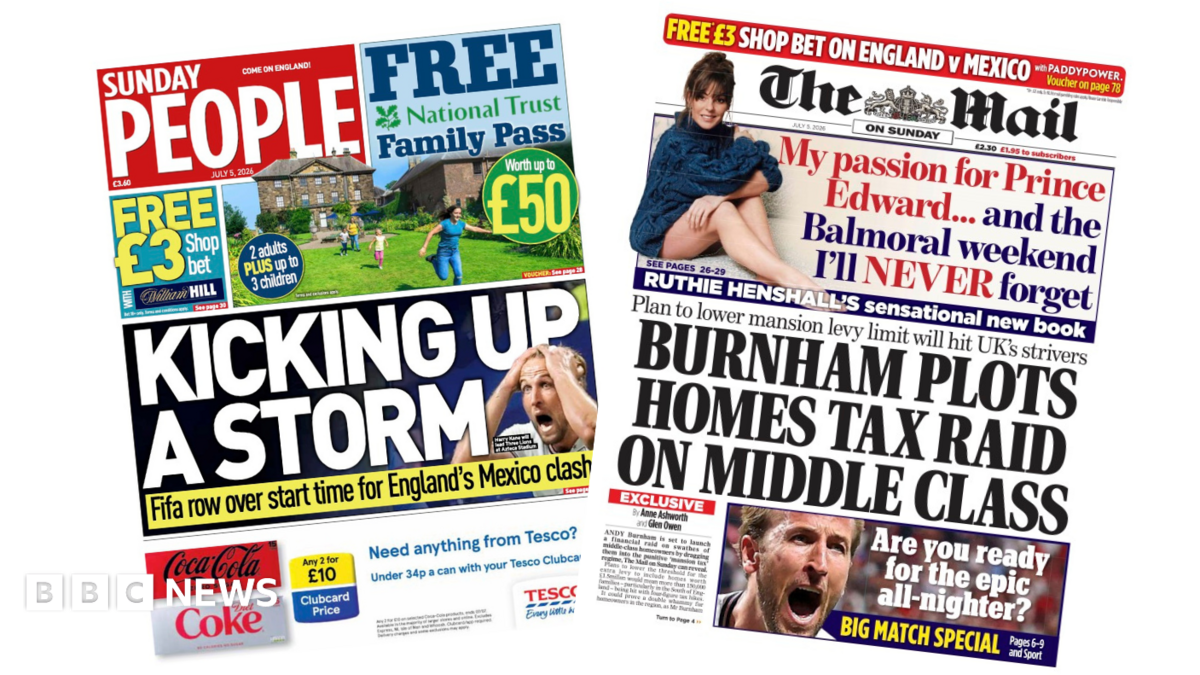
Recent headlines, including those from the BBC and AOL.com, have indicated that Andy Burnham is 'plotting homes tax raid'. While the exact details are still emerging and subject to interpretation, the core of the reports suggests that the Greater Manchester Combined Authority (GMCA) is exploring new revenue streams. These could potentially include a tax levied on residential properties, with the implication that higher-value homes might be targeted. The phrase 'kicking up a storm' has been used to describe the immediate reaction to these reports, highlighting the contentious nature of the proposals.
Why Does This Matter? The Implications of a New Property Tax
The prospect of a new property tax, especially one that could disproportionately affect homeowners of higher-value properties, carries significant implications.
- Funding Public Services: Local authorities and combined authorities often face budget pressures. New revenue streams are crucial for maintaining and improving essential services such as public transport, social care, and infrastructure projects. Proponents might argue that a carefully structured property tax could provide a stable and predictable funding source.
- Economic Impact: The implementation of such a tax could have ripple effects on the property market. It might influence buyer sentiment, property values, and investment decisions within Greater Manchester. Homeowners, particularly those who own properties perceived as 'mansions', could see their annual outgoings increase.
- Political Ramifications: The 'mansion tax' concept is politically sensitive. It can be portrayed as either a fair contribution from those who can afford it or an unfair burden that penalizes success and property ownership. This issue is likely to become a focal point in local political discourse and potentially influence future electoral campaigns. Opposition parties and affected groups are already voicing concerns.
Background Context: Funding Local Government and Political Moves
Discussions around new forms of taxation at the local level are not new. For years, there have been debates about the adequacy of central government funding for local services and the need for authorities to find their own solutions. Mayoral combined authorities like Greater Manchester have been granted some devolved powers, including fiscal responsibilities, which allows them to explore such options.
The timing of these reports also warrants consideration. In the political sphere, proposals like these can serve multiple purposes. They can be a genuine attempt to address funding gaps, a negotiating tactic with the central government, or a way to define a political identity and rally support around specific policy goals. The mention of 'bid to block Miliband' in some newspaper headlines, albeit potentially unrelated to the tax itself but appearing alongside it in some reports, hints at the complex political landscape in which such announcements are made.
The effectiveness and fairness of any proposed property tax would depend heavily on its specific design, including thresholds, rates, and exemptions.
What to Expect Next: The Road Ahead
The immediate future will likely involve further clarification from Andy Burnham's office regarding the nature and scope of any potential property tax. Public consultations and political debates are expected to intensify as details become clearer.
- Official Statements: Expect formal announcements or clarifications from the GMCA addressing the rumors and outlining any concrete plans.
- Public Consultation: If a tax is seriously being considered, a period of public consultation is a standard and necessary step to gather feedback from residents and stakeholders.
- Political Opposition: Opposition parties and resident groups will likely mobilize to challenge or scrutinize any proposed tax measures.
- Policy Scrutiny: Analysts and economists will examine the potential economic impact and revenue-generating capacity of the proposed tax.
The 'burnham mansion tax' trend underscores the ongoing challenge of balancing the need for public service funding with the concerns of taxpayers. Whether this represents a serious policy proposal or a preliminary exploration of options, it has certainly captured public attention and initiated a vital conversation about the future of local government finance in Greater Manchester.