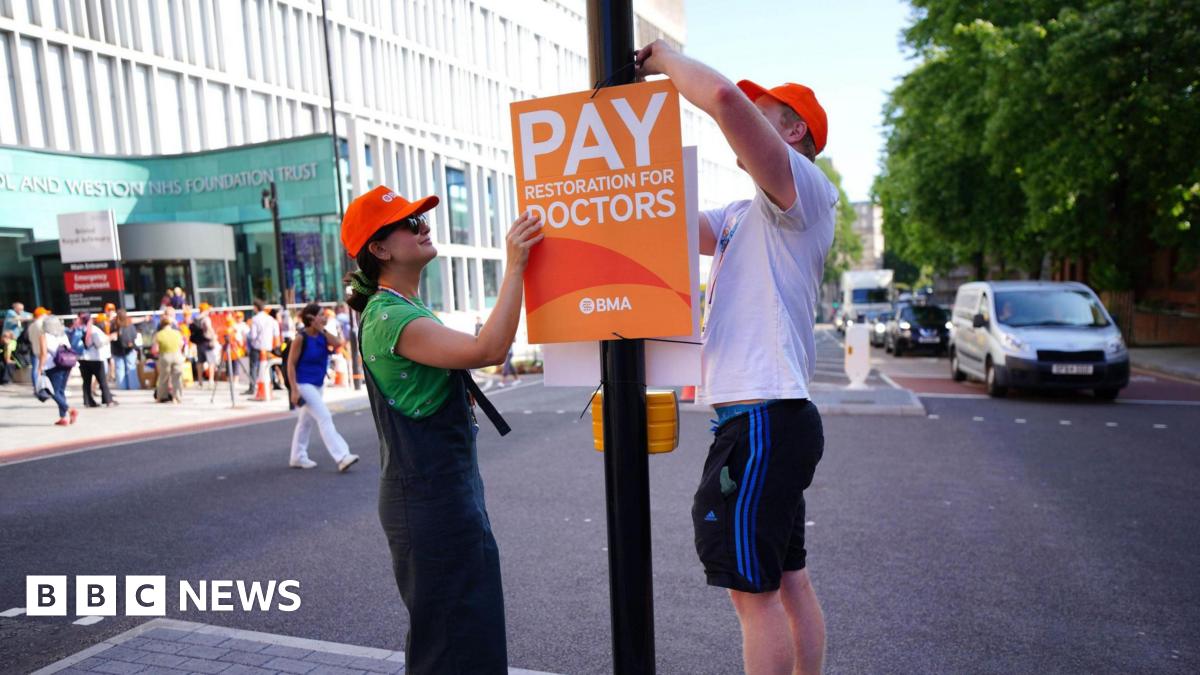
Resident Doctors Set for Another Major Strike Amidst Ongoing Pay Dispute
The National Health Service (NHS) is bracing for further disruption as resident doctors, represented by the British Medical Association (BMA), are scheduled to undertake a series of strikes. This latest wave of industrial action, detailed in recent reports from The Guardian and The Independent, signifies the continuation of a protracted dispute over pay and conditions that has gripped the medical profession in England.
What Has Happened?
Resident doctors, often referred to as junior doctors, are planning to walk out for a significant period in June. This is not the first time they have resorted to industrial action; reports indicate this could be their 16th strike. The decision comes after repeated attempts to negotiate a pay settlement with the government have failed to yield a satisfactory outcome for the BMA. The doctors argue that their pay has not kept pace with inflation and the increasing demands of their roles, leading to a substantial real-terms pay cut over many years. This erosion of pay, they contend, impacts morale, retention, and ultimately, patient care.
Why Does This Matter?
The impact of these strikes on the NHS is considerable. Resident doctors form a crucial part of the medical workforce, providing essential care across various specialties and departments. When they strike, it necessitates the postponement of non-urgent procedures, outpatient appointments, and routine care, leading to longer waiting lists and increased pressure on the remaining staff. While emergency care is typically maintained, the disruption still creates significant logistical challenges and anxiety for patients. Furthermore, the ongoing industrial disputes raise serious questions about the long-term sustainability of the NHS workforce and the ability to attract and retain skilled medical professionals.
Background Context
The current round of strikes is the culmination of years of dissatisfaction among junior doctors regarding their pay. The BMA has been campaigning for a pay rise that accurately reflects their experience, training, and the current economic climate. They argue that the current pay structure is no longer competitive and does not adequately compensate them for the long hours and high-stress environment they work in. Previous negotiations have stalled, with both sides unable to agree on a figure that addresses the doctors' concerns about the real-terms value of their salaries. The government, on the other hand, has often cited fiscal constraints and the need for broader public sector pay restraint as reasons for their position.
The specific demands from the BMA typically revolve around a significant pay uplift, often cited as being much higher than what the government has been willing to offer. This pay dispute is intertwined with broader concerns about working hours, conditions, and the overall recruitment and retention crisis within the NHS. The high rates of burnout and the increasing emigration of doctors to countries offering better remuneration are frequently highlighted by the BMA as direct consequences of the current pay situation.
What to Expect Next
The immediate future involves the planned four-day strike in June. The BMA has stated that further industrial action will be considered if no progress is made in pay negotiations. The government's response will be critical; whether they opt to return to the negotiating table with a revised offer or maintain their current stance will determine the trajectory of this dispute. The public can expect continued disruption to NHS services, particularly for planned treatments and appointments. There is also a growing pressure on both the BMA and the government to find a resolution that prevents further industrial action and ensures the stability of the healthcare system. The ongoing debate highlights the critical need for fair compensation and supportive working environments for healthcare professionals, not just in the UK but globally.
The BMA stated that doctors are striking as a last resort, driven by the unacceptable erosion of their pay over the last 15 years.
The effectiveness of these strikes in forcing a resolution remains to be seen, but they undoubtedly keep the issue of junior doctor pay and NHS funding firmly in the public and political spotlight. The coming weeks will likely see intense discussions and potential new proposals as both parties seek to navigate this challenging industrial landscape.