Aramco's Shadow: From World Cup Influence to Local Health Crises
Saudi Aramco, the state-owned oil and gas giant of Saudi Arabia, has recently come under increased public scrutiny, driving significant online interest. The trending topic encompasses two seemingly disparate, yet connected, narratives: its indirect association with the 2022 World Cup in Qatar and persistent health concerns linked to its operations in Port Arthur, Texas.
Aramco's Presence at the World Cup
The recent FIFA World Cup, held in Qatar, brought to the forefront the complex interplay between global sports, energy politics, and national branding. Reports have highlighted how Saudi Arabia, and by extension its colossal energy company Aramco, has a significant financial and reputational stake in such international events. While Aramco might not have been a direct sponsor of the World Cup itself, the broader Saudi economic influence, heavily reliant on oil revenues generated by Aramco, was undeniable. This connection has led to discussions about the 'sportswashing' of petrostates' images and the role of fossil fuel wealth in funding global entertainment spectacles. Critics argue that major oil companies, and the nations they represent, leverage these high-profile events to enhance their international standing, often distracting from environmental concerns and human rights issues.
The shadow of oil money loomed large over the World Cup, with major energy players like Aramco benefiting from the global attention and the association with a prestigious international event. This raises questions about the true cost of such sporting mega-events and the energy industry's role in shaping global narratives.
Health Risks in Port Arthur, Texas
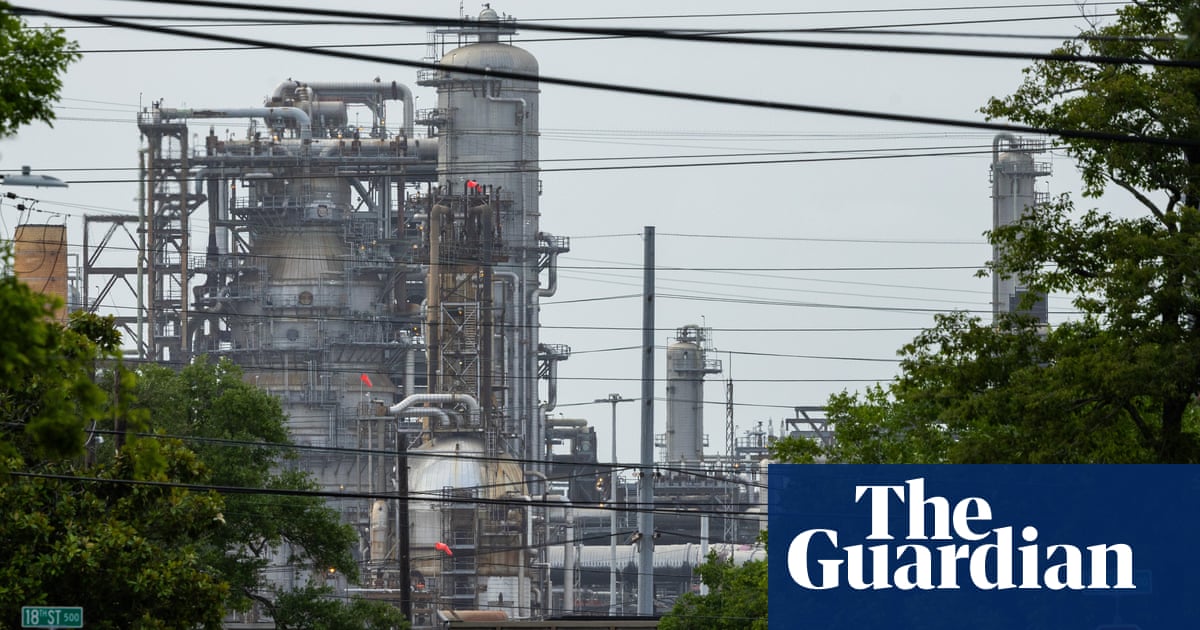
Simultaneously, Aramco's operations are facing intense criticism in Port Arthur, Texas, a community heavily impacted by the company's extensive refining facilities. Residents have voiced severe health concerns, with multiple reports suggesting a direct link between the refinery's emissions and a higher incidence of serious illnesses in the area. The presence of one of the largest oil refineries in the United States, operated by a subsidiary or associated entity of Aramco, has created an environment where locals feel their health is constantly at risk.
This situation in Port Arthur is not new. For years, communities living near major industrial complexes like Aramco's refinery have struggled with air and water pollution. However, the recent surge in attention brings these long-standing issues to the forefront, demanding accountability and action. The contrast between Aramco's global ambition and its impact on local communities living in the 'shadow' of its operations is stark. Residents describe their environment as a 'hellhole,' underscoring the dire conditions and the perceived indifference from corporate entities and regulatory bodies.
Why It Matters: The Broader Implications
The trending status of Aramco highlights several critical global issues:
- Energy's Global Influence: It underscores how major oil and gas companies wield considerable economic and political power, influencing international events and national economies.
- Environmental and Health Accountability: The situation in Port Arthur brings into sharp focus the urgent need for greater corporate responsibility regarding environmental impact and public health in areas surrounding industrial operations.
- The Energy Transition Debate: As the world grapples with climate change, the continued dominance and influence of companies like Aramco fuel the debate about the pace and nature of the global energy transition.
- Geopolitics and Sport: The World Cup connection sheds light on how petrostates use resources generated from fossil fuels to gain soft power and influence on the international stage.
Background Context: Aramco's Scale and Scope
Founded in 1933, Saudi Aramco is the world's largest integrated oil and gas company. Its operations span exploration, production, refining, distribution, and marketing of oil and gas. The company is a cornerstone of the Saudi Arabian economy, contributing significantly to its GDP and export revenues. In recent years, Aramco has expanded its global footprint through acquisitions and partnerships, including significant investments in refining and petrochemicals in various countries, including the United States.
The Port Arthur refinery, in particular, is a massive complex with a significant processing capacity. Its operations are crucial for the regional economy, providing jobs and economic activity. However, the sheer scale of such industrial facilities invariably brings environmental challenges, including emissions that can affect local air and water quality. The company has faced regulatory scrutiny and public pressure in the past regarding its environmental record and safety protocols.
What to Expect Next
The increased attention on Aramco suggests a growing demand for transparency and accountability from major energy corporations. We can expect:
- Heightened Scrutiny: Increased media and public focus on Aramco's environmental, social, and governance (ESG) practices.
- Regulatory Pressure: Potential for stronger regulations and enforcement, particularly concerning emissions and health impacts in communities like Port Arthur.
- Continued Debate: Ongoing discussions about the role of fossil fuel companies in global events and the transition to renewable energy.
- Community Action: Renewed efforts by affected communities to advocate for better living conditions and hold corporations accountable for environmental damage.
As the world navigates complex energy challenges and the imperative for sustainable development, the multifaceted story of Aramco—its global reach, its economic power, and its local impact—will likely remain a significant topic of discussion and concern.