Sir Alex Ferguson: A Legacy That Continues to Resonate
The name Sir Alex Ferguson still commands immense respect and attention within the footballing world, even years after his retirement from managing Manchester United. His legacy as one of the greatest managers of all time means that any mention of his name, whether in direct quotes or comparative analysis, often sparks significant discussion. Recent events have seen Ferguson trending again, not for a new managerial role, but for the enduring impact of his past words and the way his achievements are used as a benchmark for today's footballing figures.
What Sparked the Current Buzz?
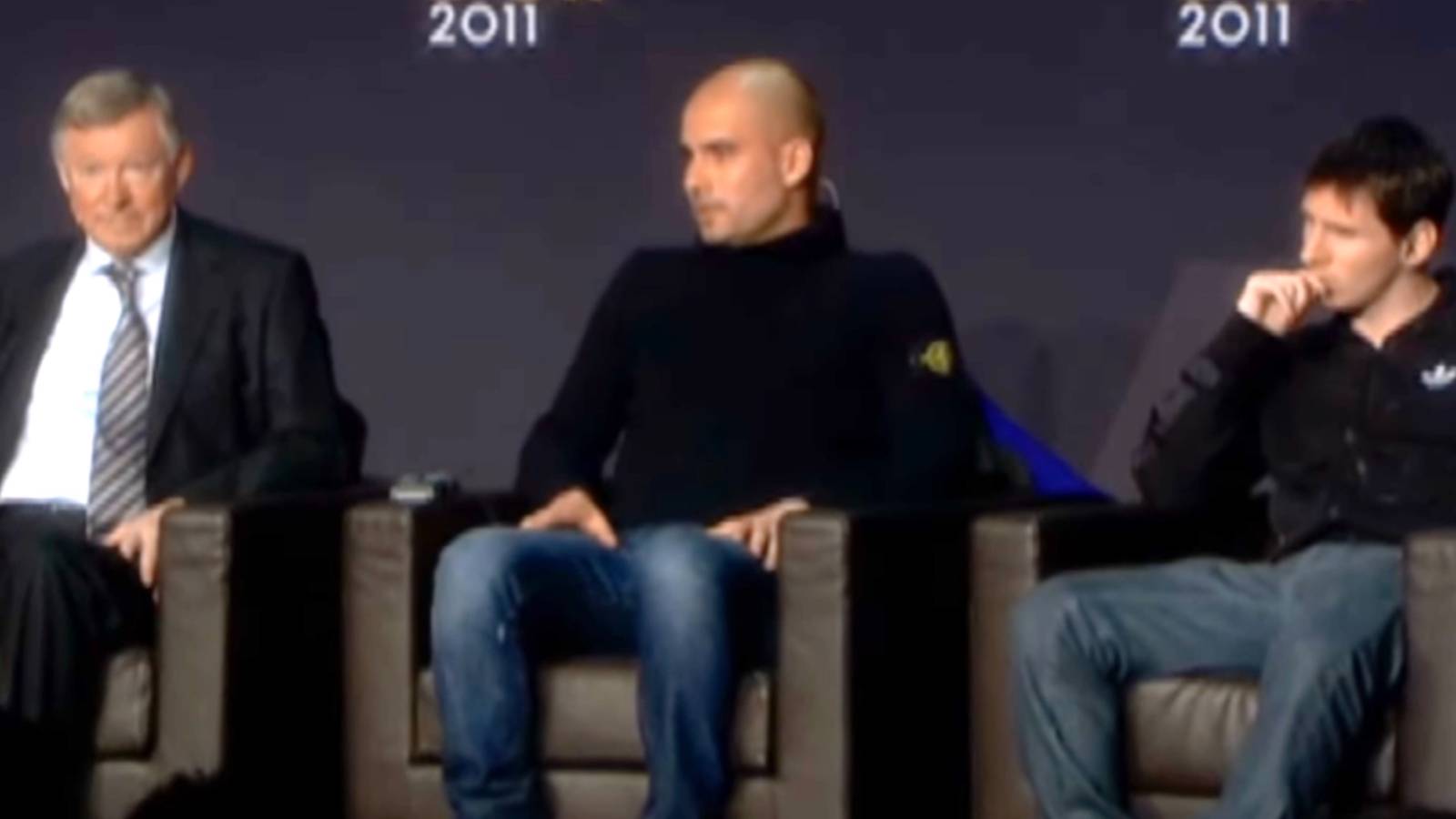
The current resurgence in interest surrounding Sir Alex Ferguson is multi-faceted, primarily driven by two distinct but related themes in recent football commentary. Firstly, GiveMeSport resurfaced a compelling 2012 interview where Ferguson was asked about Lionel Messi's place among the game's all-time greats. His thoughtful response, acknowledging Messi's exceptional talent while maintaining a broader perspective on football history, has been re-examined in light of Messi's continued dominance and ongoing debates about individual legacies.
Secondly, the trending topic has been amplified by discussions involving current Premier League managers. Mikel Arteta, the manager of Arsenal, recently responded to being compared to Sir Alex Ferguson. The context of this comparison, particularly after an Arsenal match where a controversial penalty decision was made, saw Arteta explicitly state that he did not want such comparisons, emphasizing his focus on his own team's journey. This instance highlights how Ferguson's name remains a touchstone for managerial excellence and how current figures navigate the weight of such historical parallels.
Why Does Sir Alex Ferguson Still Matter?
Sir Alex Ferguson's enduring relevance stems from his unparalleled success and the transformative impact he had on Manchester United and English football. During his 26-year tenure at Old Trafford, he secured 38 major trophies, including 13 Premier League titles and two UEFA Champions League crowns. His ability to consistently build and rebuild dominant teams, manage star players, and instill a winning mentality is legendary. This makes his insights, judgments, and even his past managerial decisions points of reference for understanding the pinnacles of the sport.
The comparisons to Ferguson are not merely about accumulating trophies; they are about the style of management, the longevity of success, and the ability to adapt to the evolving landscape of football. When a manager like Arteta, or when discussing a player like Messi, Ferguson's name inevitably arises as a yardstick. His influence extends beyond statistics; it's embedded in the tactical innovations, the psychological prowess, and the sheer force of will that defined his managerial career.
"He's the greatest manager of all time, without a shadow of a doubt. What he achieved at Manchester United is simply unparalleled."
- A common sentiment echoing sentiments about Sir Alex Ferguson's legacy.
Background Context: The Ferguson Era at Manchester United
Sir Alex Ferguson took over Manchester United in November 1986. At the time, the club had not won a league title in nearly two decades. Ferguson systematically dismantled the existing structure and rebuilt the team, laying the foundations for an era of unprecedented dominance. His early years were challenging, marked by a famous threat of being sacked, but steadfast support from the club's board allowed him to implement his vision.
Key to his success was his innovative approach to youth development, famously the "Class of '92," which produced a generation of world-class players like David Beckham, Paul Scholes, and the Neville brothers. He also demonstrated an uncanny ability to identify and sign world-class talent from around the globe, integrating them seamlessly into his teams. Ferguson's tactical flexibility, his famed "hairdryer treatment" for motivating players, and his strategic acumen in navigating domestic and European competitions defined his managerial genius.
His retirement in May 2013, following Manchester United's record 20th league title, marked the end of an era. The club has struggled to recapture that level of sustained success since his departure, further underscoring the magnitude of his achievements and the difficulty of replacing such a monumental figure.
What to Expect Next
It is highly probable that Sir Alex Ferguson's name will continue to be a recurring theme in football discussions. As new talents emerge and current managers face scrutiny, the inevitable comparisons to his era of dominance will persist. We can expect more retrospectives on his career, analyses of his management style, and further examination of his pronouncements on the game's greatest figures.
The discussions around Messi and other modern greats will likely continue to reference Ferguson's opinions. Furthermore, as managers like Mikel Arteta strive to build dynasties, the shadow of Ferguson's success will loom large, prompting further commentary on how they measure up. The ongoing narrative of football history is inextricably linked to Sir Alex Ferguson, ensuring his presence in the trending topics for the foreseeable future.
The debate over who truly belongs in the pantheon of football's greatest players and managers will always find a reference point in Sir Alex Ferguson's monumental career. His influence is not just a matter of historical record; it's a living part of the ongoing conversation about excellence in the beautiful game.