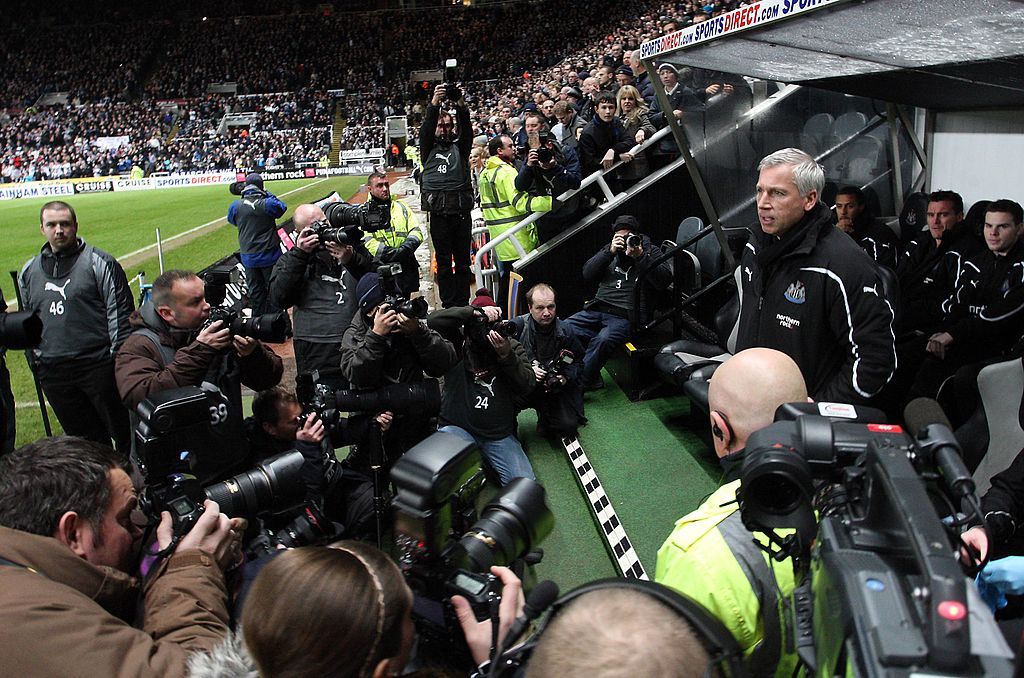
Alan Pardew
Sports500+ searches
Quick Answer
Alan Pardew is trending due to recent discussions surrounding his time at Newcastle United. He expressed feelings of being unappreciated by fans and local media, citing a toxic atmosphere during his tenure. The context also involves the potential impact of Manchester City's 114 charges on Newcastle's historical points.
Why Is This Trending?
Former Newcastle United manager Alan Pardew has re-emerged in trending discussions, primarily fueled by his candid reflections on his challenging spell at the club. In recent comments, Pardew shared his perspective on the perceived lack of appreciation from both the Newcastle fanbase and the local media, suggesting these factors contributed to a 'toxic atmosphere' that hindered his efforts. This introspection comes at a time when Newcastle United itself is a subject of significant news, particularly concerning the extensive charges leveled against Manchester City and the potential ramifications for historical league standings, which could indirectly affect perceptions of past managerial achievements at St. James' Park.
The timing of Pardew's remarks, coupled with the ongoing narrative surrounding Manchester City's financial investigations and their potential effect on past Premier League results, places his managerial career back in the spotlight. Fans and pundits are revisiting his tenure, considering his comments against the backdrop of the club's current ambitions and the broader context of Premier League history. The discussions highlight the complex relationship between managers, clubs, media, and supporters, and how external factors can shape both immediate perceptions and long-term legacies.
Alan Pardew's Newcastle United Legacy Revisited Amidst New Discussions
Former Newcastle United manager Alan Pardew has found himself back in the trending spotlight, not for current managerial exploits, but for a candid re-evaluation of his impactful yet controversial tenure at St. James' Park. Recent interviews have seen Pardew express sentiments of being undervalued and misunderstood during his time in charge, pointing to a challenging dynamic with both the club's fanbase and the local media as contributing factors to a perceived 'toxic atmosphere'. This renewed focus on his past comes as Newcastle United, the club he managed, is at the center of wider footballing discussions regarding the unprecedented 114 charges brought against Manchester City and their potential impact on historical Premier League points tallies.
Pardew Reflects on a Difficult Stint
In candid remarks that have resurfaced and garnered significant attention, Alan Pardew articulated his feelings about his experience managing Newcastle United between 2010 and 2014. He suggested that a lack of appreciation from key stakeholders, including the Newcastle faithful and the local press, created an environment that was difficult to thrive in. "Joey Barton told me nobody wanted me there, Newcastle fans didn’t appreciate me, and the local media didn’t help - it led to a toxic atmosphere," Pardew reportedly stated, offering a personal perspective on the pressures he faced. This sentiment underscores the often-unseen struggles managers face, where external perceptions and media narratives can significantly influence the internal climate of a club.
The Manchester City Shadow and its Potential Impact
Adding another layer to the trending topic is the ongoing saga surrounding Manchester City's 114 charges for alleged financial irregularities. The severity of these charges has led to speculation about potential punishments, including the possibility of points deductions. Football analysts and fans have begun discussing how such deductions, if applied retrospectively, could alter historical Premier League tables. This has naturally brought Newcastle United's past league positions under scrutiny, as their own historical performance might be re-evaluated in light of potential changes to rivals' records. While Pardew was not the manager during the period directly related to the Man City charges, any recalibration of past league standings inevitably shines a light on all involved clubs and their managerial eras, including his own.
Why This Matters: Legacy and Context
The current trend around Alan Pardew is significant for several reasons. Firstly, it offers a personal glimpse into the emotional and psychological toll management can take, particularly when a manager feels isolated or misrepresented. Pardew's comments prompt a broader conversation about the role of media and fan sentiment in shaping a manager's experience and legacy. Secondly, the indirect connection to the Manchester City charges highlights the unpredictable nature of football's administrative landscape. Events occurring years later can retroactively influence how past achievements and failures are viewed. For Newcastle United supporters, this is a period of intense reflection, considering both past managerial eras and the club's future aspirations under new ownership.
Background Context: Pardew's Newcastle Tenure
Alan Pardew took the reins at Newcastle United in December 2010, inheriting a club in the Championship and guiding them to promotion back to the Premier League in his first season. His initial years were met with a degree of success, most notably a fifth-place finish in the 2011-12 season, which secured European qualification. This period saw him earn the Premier League Manager of the Season award. However, subsequent seasons were more challenging, marked by struggles for consistent form, a high turnover of players, and increasing pressure from sections of the fanbase who questioned his tactics and transfer strategies. The club narrowly avoided relegation in the 2014-15 season before Pardew departed mid-season to manage Crystal Palace.
Looking Ahead: Reinterpreting the Past
What to expect next regarding Alan Pardew's trending status is likely more discussion and debate. His candidness may encourage other former managers or players to share their own experiences, shedding further light on the pressures within top-flight football. The ongoing developments in the Manchester City case will continue to influence discussions about historical Premier League outcomes, and how clubs like Newcastle United fit into that evolving narrative. For fans, this period offers a chance to re-examine Pardew's managerial period, considering his reflections alongside the club's overall trajectory and the wider context of football governance. It's a complex tapestry of personal feelings, club history, and evolving league regulations that continue to shape the perception of figures like Alan Pardew.
Related News
"Joey Barton told me nobody wanted me there, Newcastle fans didn’t appreciate me, and the local media didn’t help - it led to a toxic atmosphere" Alan Pardew feels hard done by over Newcastle United spell
FourFourTwoNewcastle United points recount after Man City's 114 charges 'impacted' former Toon supremo
Chronicle LivePardew on Man City Newcastle impact
Read NewcastleFrequently Asked Questions
Why is Alan Pardew trending?
Alan Pardew is trending because of recent comments he made about his time as Newcastle United manager. He discussed feeling unappreciated by fans and the local media, citing a 'toxic atmosphere'.
What did Alan Pardew say about his Newcastle spell?
Pardew expressed that he felt the Newcastle fans and local media did not appreciate him, which contributed to a toxic atmosphere during his tenure. He suggested this environment made it difficult for him to succeed or feel valued.
How might Manchester City's charges affect discussions about Alan Pardew?
The 114 charges against Manchester City could lead to retrospective changes in Premier League tables if penalties like points deductions are imposed. This might indirectly influence how historical league positions, including those during Pardew's management, are perceived or re-evaluated.
What was Alan Pardew's biggest success at Newcastle?
Alan Pardew's most significant success at Newcastle was guiding the club to promotion back to the Premier League in his first season (2010-11). He also achieved a fifth-place finish in the 2011-12 season, securing European qualification, and was named Premier League Manager of the Season.