Putin
Politics500+ searches
Quick Answer
Vladimir Putin is trending after blaming Ukraine for a drone strike on a school in Luhansk that killed six people. He vowed revenge for the attack, which Ukrainian officials have denied involvement in.
Why Is This Trending?
The Russian president, Vladimir Putin, has once again become a focal point of global news following a deadly drone strike in Ukraine. Putin has publicly accused Kyiv of orchestrating the attack on a school in Luhansk, an incident that reportedly claimed the lives of six individuals. This accusation has led to a vow of retaliation from the Russian leader, further escalating tensions in the ongoing conflict. The Ukrainian authorities have, however, denied any responsibility for the strike, painting a stark picture of conflicting narratives and potential for further escalation.
Putin Blames Ukraine for Deadly Luhansk School Strike, Vows Revenge
The name of Russian President Vladimir Putin is trending across global news platforms following his pronouncements regarding a recent drone attack that struck a school in the occupied Ukrainian region of Luhansk. Putin has directly accused Ukraine of carrying out the strike, which reports indicate resulted in the deaths of at least six people. In response to the incident, the Russian leader has pledged retaliation, signaling a potential for increased military action and further exacerbation of the ongoing conflict.
What Happened?
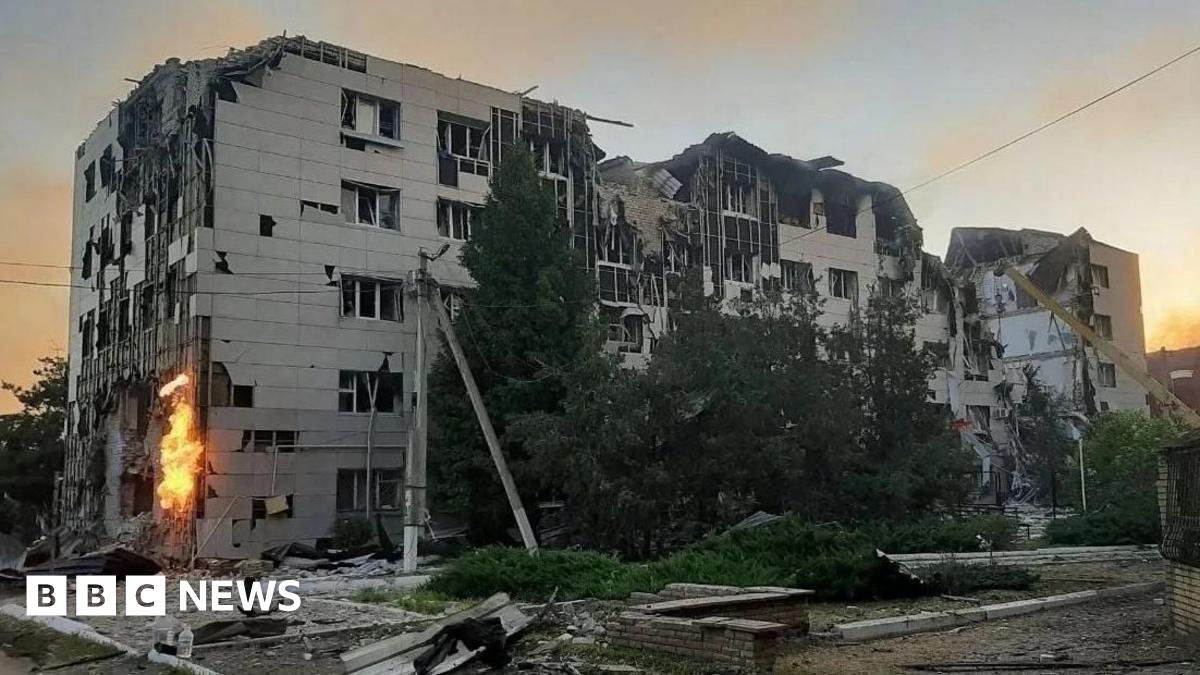
Recent reports detail a drone strike that hit a school in Luhansk, a region largely under Russian control. The attack is alleged to have killed six individuals. Following the incident, Vladimir Putin publicly assigned blame to Ukraine, stating that the country was responsible for the 'terrorist attack.' He further vowed that Russia would deliver a response to what he termed a 'crime.' Ukrainian officials, through various channels, have reportedly denied any involvement in the Luhansk strike, presenting a significant divergence in the accounts of the event.
Why It Matters
This incident and Putin's reaction are significant for several reasons. Firstly, it represents another instance of escalating rhetoric and alleged aggression in the protracted war between Russia and Ukraine. Putin's public vow of revenge suggests a potential for significant military responses, which could lead to further civilian casualties and destruction. Secondly, the conflicting narratives from Russia and Ukraine highlight the ongoing challenges in verifying information from the conflict zone and underscore the deep distrust between the two nations. The targeting of a school, if confirmed to be a deliberate act, would be a grave violation of international humanitarian law and draw further condemnation from the international community. The accusations also serve to rally domestic support for the war effort within Russia and solidify the narrative of Ukraine as an aggressor.
Background Context
The current conflict between Russia and Ukraine began with a full-scale invasion by Russia in February 2022, though tensions and military actions have been ongoing since 2014. Luhansk is one of the eastern Ukrainian regions that Russia has sought to control and has claimed to annex, although its full control is disputed. Throughout the war, both sides have accused each other of war crimes and indiscriminate attacks on civilian infrastructure. Schools, hospitals, and residential areas have frequently been reported as targets or collateral damage. Russia has often accused Ukraine of employing 'terrorist tactics,' while Ukraine and its allies have accused Russia of deliberate attacks on civilian populations and infrastructure to break Ukrainian morale and resistance. Putin's recent statements align with this established pattern of accusation and threat, framing the conflict in stark moral terms for domestic and international consumption.
"We will undoubtedly respond. The Kyiv regime has committed another bloody crime."
— Vladimir Putin (as reported by news outlets)
The international community, including organizations like the United Nations, has repeatedly called for adherence to international humanitarian law and the protection of civilians, particularly in areas affected by armed conflict. Investigations into alleged war crimes are ongoing by various international bodies. The ability to independently verify claims made by warring parties remains a critical challenge, often relying on evidence gathered by international observers, forensic analysis, and witness testimonies, all of which can be difficult to obtain in active war zones.
What to Expect Next
Following Putin's vow of retaliation, several developments are possible. We can anticipate heightened military activity from Russian forces, potentially targeting infrastructure or military assets in Ukraine, though the specific nature and scale of any response remain uncertain. The international community is likely to issue further statements condemning the attack and calling for de-escalation and adherence to international law. Diplomatic efforts to find a peaceful resolution, though currently stalled, may see renewed, albeit likely challenging, attention. Independent verification of the strike's circumstances and perpetrators will be crucial in shaping subsequent international responses and potential accountability measures. The ongoing information warfare surrounding the conflict will also intensify, with both sides working to control the narrative.
Key points to monitor include:
- The nature and scale of any Russian retaliation.
- Independent investigations into the Luhansk school strike.
- Statements and actions from international bodies and key global powers.
- Further denial or confirmation of responsibility from Ukrainian officials.
The situation remains fluid, and developments are subject to rapid change.
Related News
Frequently Asked Questions
Why is Putin trending?
Vladimir Putin is trending because he has blamed Ukraine for a drone strike on a school in Luhansk that reportedly killed six people. He has also vowed retaliation for the incident.
What happened in Luhansk?
Reports indicate a drone strike hit a school in Luhansk, resulting in the deaths of at least six people. President Putin has accused Ukraine of carrying out the attack.
Has Ukraine responded to the accusations?
Ukrainian officials have reportedly denied any involvement in the drone strike on the school in Luhansk, presenting a conflicting account of the events.
What does Putin's vow of revenge mean?
Putin's vow of retaliation suggests Russia may increase military actions in response to the Luhansk strike. This could lead to further escalation of the ongoing conflict between Russia and Ukraine.